
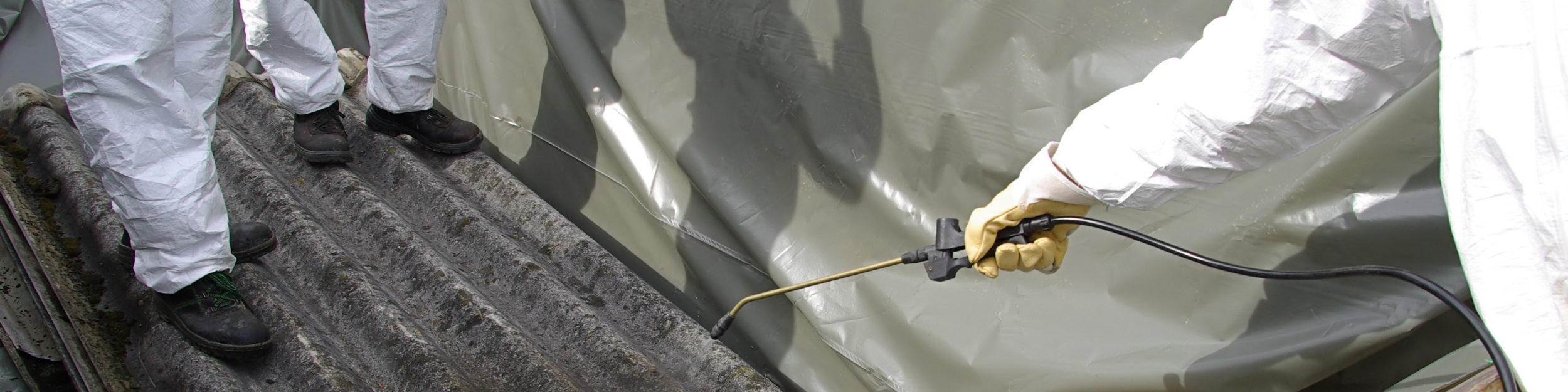
Asbestos, a naturally occurring mineral, has long been used in construction and various industries due to its heat resistance and strength. However, exposure to asbestos has been linked to severe health conditions, including asbestosis and mesothelioma. Recognizing these risks, different countries have adopted diverse approaches to asbestos regulations. This blog post aims to shed light on global asbestos regulations, focusing on asbestos removal, disposal of asbestos, asbestos testing, and asbestos abatement.

Asbestos Regulations: An Overview
Asbestos regulations vary globally, reflecting differences in industrial uses, public health awareness, and government policies. Some countries have comprehensive bans, while others have opted for regulations controlling the use, removal, and disposal of asbestos.
Complete Bans
Countries such as Australia, the United Kingdom, and several EU nations have adopted outright bans on all forms of asbestos. These bans include:
- Asbestos Removal: Comprehensive guidelines to ensure safe removal of asbestos by licensed professionals.
- Asbestos Disposal: Strict protocols for the disposal of asbestos, including containment and transportation to designated facilities.
- Asbestos Testing: Mandatory testing in public buildings and high-risk areas, performed by certified laboratories.

Controlled Use
Some countries, including the United States and Canada, have adopted a controlled use approach, focusing on asbestos abatement and stringent regulations rather than an outright ban. This approach includes:
- Regulation of Asbestos Products: Restrictions on certain asbestos-containing products while allowing others.
- Asbestos Abatement: Policies aimed at minimizing exposure, especially in workplaces and public buildings, through encapsulation or safe removal.
- Disposal of Asbestos: Guidelines on proper disposal methods to avoid contamination of the environment.
Limited or No Regulations
Unfortunately, some nations have limited or even no regulations concerning asbestos. In these countries, the lack of guidelines for asbestos testing, removal, and disposal can lead to serious public health concerns.
Effectiveness in Protecting Public Health
- Complete Bans: Countries with outright bans have generally seen a reduction in asbestos-related illnesses. Strict regulations on asbestos removal and disposal minimize exposure risks.
- Controlled Use: The controlled use approach requires constant monitoring and enforcement to ensure effectiveness. Proper asbestos abatement and testing practices are key to minimizing health risks.
- Limited or No Regulations: The lack of regulation often leads to uncontrolled exposure, posing significant health threats to workers and the public.

Conclusion
Global asbestos regulations vary widely, reflecting different governmental approaches to a complex and significant health issue. While outright bans on asbestos have proven highly effective in reducing health risks, controlled use policies also show success when properly implemented and enforced. Regardless, public awareness and continuous monitoring are crucial for the protection of public health.
By understanding these diverse approaches, we can work towards global standards that prioritize human health and safety in relation to asbestos use, removal, and disposal. Collaboration and knowledge sharing are essential to tackle the ongoing challenges of asbestos abatement and to develop comprehensive global asbestos regulations that protect everyone, everywhere.
If you are in doubt does your home or property has asbestos-containing materials and want to find out, do not hesitate to reach out to our experienced team of professionals today on: 0475 143 106 or email us on: asbestosgoneandclean@gmail.com for safe, expert asbestos removal services you can trust!