
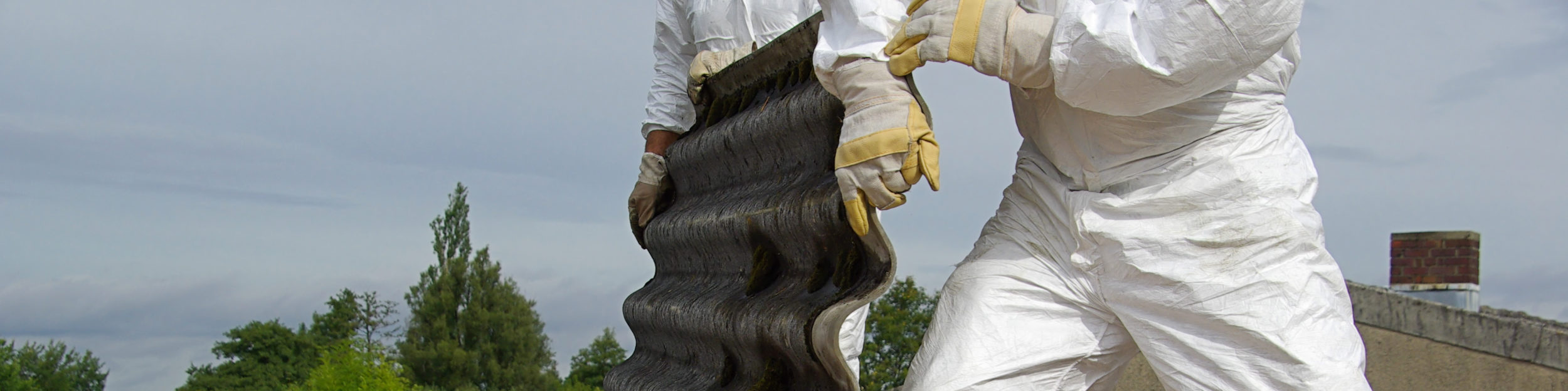
Asbestos, once widely used in building materials and various products, has become synonymous with serious health hazards. The challenge of managing asbestos-containing artworks and artifacts is not foreign to the museum community. As these objects often need careful preservation, a balance must be struck between the safety of those handling them and maintaining the artifacts themselves. This article delves into the aspects of asbestos removal, asbestos disposal, and other related practices in the world of art conservation.
Identifying the Problem: Asbestos in Artworks and Artifacts
Asbestos, a group of naturally occurring silicate minerals, was popular for its fire resistance, strength, and insulation properties. Its use in various artworks and artifacts, such as paints, pottery, and textiles, was common before the risks were known. Now, the removal of asbestos and disposal of asbestos-containing items has become a vital task for museums.
Asbestos Testing: The First Step
Asbestos testing is often the initial step in managing asbestos-containing artworks and artifacts. By examining objects under specialized microscopes, experts can identify the presence of asbestos. This process helps museums understand the level of risk associated with particular items and design an appropriate response.
Asbestos Removal: A Delicate Process
When the removal of asbestos from an artwork or artifact is necessary, it must be done with extreme caution. Specialized technicians, often working in collaboration with art conservation experts, employ particular methods to remove asbestos without damaging the object.
Asbestos Disposal: Safety Meets Sustainability
The disposal of asbestos is not as simple as throwing it in the trash. Regulations and guidelines must be followed to ensure safety. Asbestos-containing artworks and artifacts must be disposed of in certified facilities, and all appropriate measures taken to prevent any potential environmental or human health risks.

Prevention and Education
Many museums now follow best practices to prevent issues related to asbestos in artworks and artifacts. This includes investing in staff training on handling asbestos-containing materials, developing protocols for asbestos testing, and working with specialized companies for asbestos removal and asbestos disposal.
Balancing Preservation with Safety
The key to handling asbestos-containing artworks and artifacts lies in balancing the preservation of these objects with the safety of staff and visitors. While it is vital to maintain the integrity of the artifacts, it is equally important to mitigate the risk posed by asbestos.
Conclusion
The management of asbestos in artworks and artifacts is a complex and vital task that museums around the world are actively addressing. By employing robust asbestos testing, carefully planned removal of asbestos, and responsible disposal of asbestos-containing materials, museums can safeguard both their precious collections and the people who interact with them.
By focusing on education, collaboration, and adherence to regulations, the museum community continues to respond to the challenge of asbestos in a way that upholds both the cultural significance of these objects and the safety of all involved.
If you are in doubt does your home or property has asbestos-containing materials and want to find out, do not hesitate to reach out to our experienced team of professionals today on: 0475 143 106 or email us on: asbestosgoneandclean@gmail.com for safe, expert asbestos removal services you can trust!