
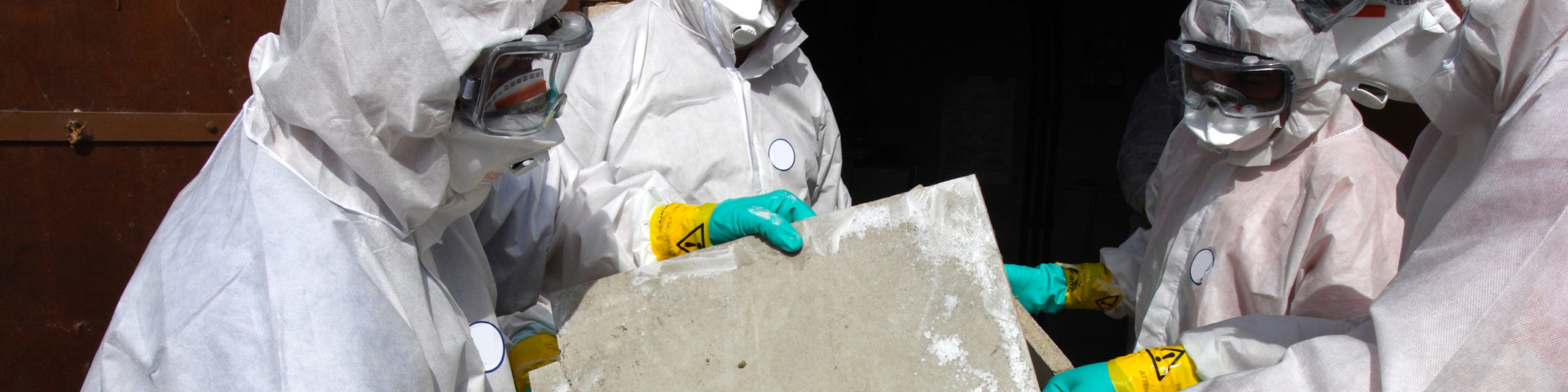
In our globalized world, the flow of goods across international borders has become increasingly common. Amongst these products, some may inadvertently contain hazardous materials like asbestos, raising health and safety concerns. This blog post aims to provide a comprehensive guide on how asbestos might be found in imported goods, and how to identify and handle these products safely. We’ll focus on aspects like asbestos removal, asbestos testing, and the presence of asbestos in imported goods.
Identifying Asbestos in Imported Goods
Asbestos, a naturally occurring mineral, was once widely used in construction and manufacturing due to its resistance to heat, fire, and chemicals. However, it is now known to cause severe health problems, including lung cancer and asbestosis.
Here’s how to identify asbestos in imported goods:
1. Knowing the Common Products:
Asbestos can be found in various products like cement, tiles, insulation materials, and automotive parts. Knowing the types of goods that may contain asbestos is the first step towards identifying them.
2. Asbestos Testing:
Professional asbestos testing is the most accurate way to determine if a product contains this harmful mineral. Lab tests can reveal even trace amounts of asbestos, giving you peace of mind or warning you to take action.
3. Check Regulations and Certifications:
Countries have different regulations concerning asbestos. Always verify the certifications and regulations of the exporting country to understand the likelihood of asbestos presence.
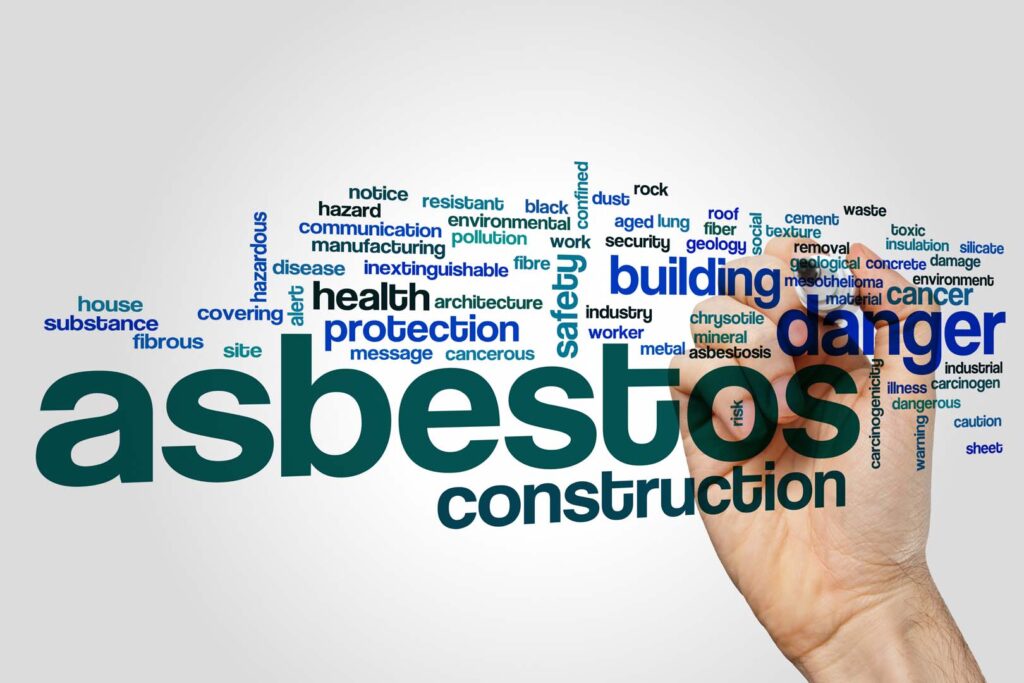
Handling and Asbestos Removal
If asbestos is found in imported goods, proper handling and removal become paramount. Here are some guidelines:
1. Avoid Direct Contact:
Never handle asbestos-containing materials without proper protection. If possible, leave the handling to trained professionals.
2. Engage Professionals for Asbestos Removal:
Hiring licensed professionals specializing in asbestos removal ensures the material is dealt with appropriately, following all safety regulations.
3. Dispose of Asbestos Properly:
The disposal of asbestos must be done according to local laws and regulations. Professionals will know how to package and transport the material to a designated facility.
Conclusion
Asbestos in imported goods is a concern that should never be overlooked. Awareness of the products that might contain asbestos, followed by proper asbestos testing and hiring trained professionals for asbestos removal, is the best course of action.
By following these guidelines, individuals and businesses can protect themselves and others from the potential hazards of asbestos. The international trade community must continue to work together to ensure that the standards for asbestos management are upheld, making our global marketplace safer for everyone.
Note: This blog post is intended as a general guide and should not be considered professional legal or medical advice. Always consult with an expert in your jurisdiction for personalized guidance.
If you are in doubt does your home or property has asbestos-containing materials and want to find out, do not hesitate to reach out to our experienced team of professionals today on: 0475 143 106 or email us on: asbestosgoneandclean@gmail.com for safe, expert asbestos removal services you can trust!