
What Is Asbestos Awareness Week?
Every year, during the last full week of November, Australians unite to observe National Asbestos Awareness Week (NAAW). In 2025, this critical public health campaign will run from 24 to 30 November. Led by the Asbestos Safety and Eradication Agency (ASEA) and supported by federal and state governments, local councils, and health organisations, NAAW aims to educate the public about the ongoing dangers of asbestos.
The timing isn’t random — it aligns with the anniversary of Australia’s full asbestos ban in 2003. This week serves as a powerful reminder that despite the ban, asbestos remains a silent threat in thousands of homes, schools, and workplaces.
Whether you’re a homeowner planning a renovation, a tradesperson working on older buildings, or a parent concerned about your family’s health, NAAW is your opportunity to learn, share, and act. The message is clear: asbestos can still kill — but knowledge can save lives.
Why Is Asbestos Still a Major Health Concern in Australia?
Australia has a dark history with asbestos. From the 1940s to the 1980s, asbestos was widely used in construction due to its strength, heat resistance, and affordability. It was installed in walls, roofs, pipes, and even playgrounds. But now, we know the terrible truth: breathing in asbestos fibres can lead to fatal diseases.
When asbestos-containing materials are damaged or disturbed — through drilling, sawing, or even strong winds — microscopic fibres are released into the air. If inhaled, these fibres can become permanently lodged in the lungs, leading to serious conditions such as:
- Mesothelioma – a rare and aggressive cancer affecting the lining of the lungs or abdomen, with no known cure.
- Lung cancer – especially dangerous for smokers exposed to asbestos.
- Asbestosis – a chronic lung disease that causes scarring and breathing difficulty.
Tragically, symptoms can take 20 to 30 years to appear after exposure, meaning people exposed in the 1970s and 80s are still being diagnosed today. And now, a new wave of risk is emerging — not in factories, but in our backyards and homes, thanks to DIY renovations.
If you are in doubt does your home or property has asbestos-containing materials and want to find out, do not hesitate to reach out to our experienced team of professionals today on: 0475 143 106 or email us on: asbestosgoneandclean@gmail.com for safe, expert asbestos removal services you can trust!
The Shocking Reality: Asbestos-Related Deaths in Australia
Even after a complete ban, asbestos continues to claim lives across the nation. The statistics are alarming:
- Around 4,000 Australians die each year from asbestos-related diseases — a number that has remained stubbornly high for over a decade.
- Approximately 700 to 800 new cases of mesothelioma are diagnosed annually.
- Australia has one of the highest rates of mesothelioma in the world, a direct consequence of its heavy historical use of asbestos.
According to the Australian Institute of Health and Welfare, the average age at diagnosis is 77 years old, highlighting how long latency periods mask the true danger. Experts warn we may not have yet reached the peak of non-occupational cases — those affecting homeowners and renovators who unknowingly disturb asbestos during DIY projects.
This isn’t just a historical problem — it’s a modern public health emergency.
Where Is Asbestos Commonly Found in Australian Homes?
If your home was built before 1990, there’s a high chance it contains asbestos. In fact, it’s estimated that 1 in 3 Australian homes still has asbestos materials hidden behind walls, under floors, or on rooftops[3].
Common locations include:
- Roofing and gutters – corrugated cement sheeting (fibro) is one of the most common asbestos products.
- Fencing and sheds – backyard structures often use fibro cement sheets.
- Walls and ceilings – especially in wet areas like kitchens, bathrooms, and laundries.
- Flooring – vinyl tiles and underlay may contain asbestos[4].
- Insulation – around pipes, flues, and in ceiling spaces.
- Eaves, soffits, and textured paints – less obvious areas where asbestos may be present[10].
Even homes renovated after the ban may pose risks, as old asbestos materials were sometimes illegally reused or improperly disposed of. The golden rule? Assume it’s there if you’re dealing with a pre-2000 property.
Safety First: What to Do If You Suspect Asbestos
The most important rule? Leave it alone. Asbestos is most dangerous when it’s damaged or disturbed. If the material is intact and in good condition, it generally isn’t a risk — but that doesn’t mean you can ignore it.
Here’s what you should do:
✅ Do:
- Assume any material in your home built before 2000 contains asbestos.
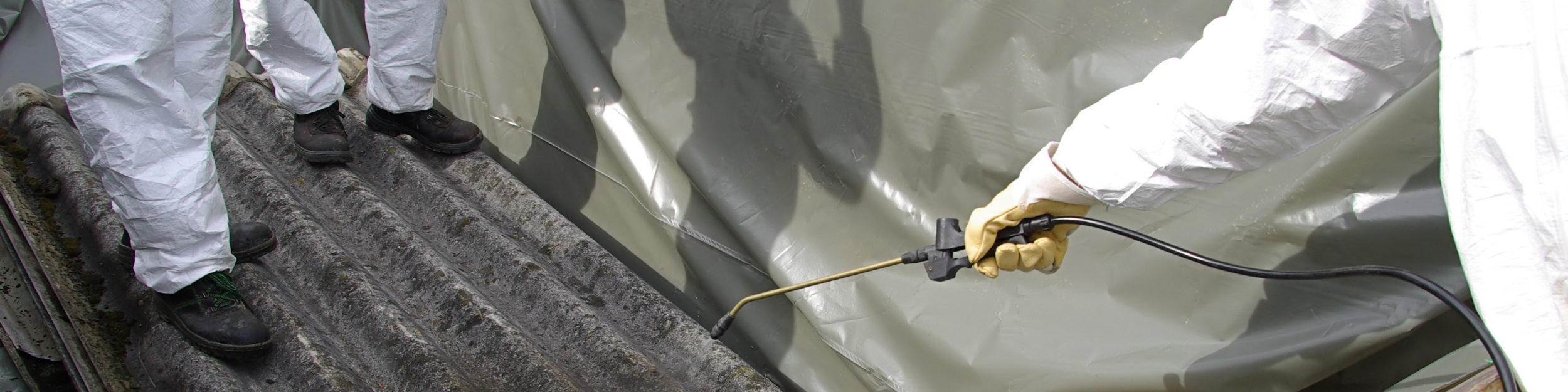
- Wet down suspected materials lightly with a spray bottle if you must move them (e.g., during gardening).
- Contact a licensed asbestos assessor to test the material.
- Hire a licensed professional for any removal work.
And here’s what you must avoid:
❌ Don’t:
- Cut, drill, sand, or drop asbestos materials.
- Use power tools or high-pressure water.
- Attempt DIY removal — it’s illegal in most states and puts you and your family at serious risk.
Remember: professional testing and safe handling are not optional — they’re essential.
Why Professional Asbestos Removal Is Non-Negotiable
While it might be tempting to save money by removing asbestos yourself, the risks are far too high. Only licensed asbestos removalists have the training, equipment, and permits to handle and dispose of asbestos safely.
Professional removal ensures:
- Fibres are not released into the air.
- Materials are correctly sealed and transported.
- Work areas are cleaned and tested for contamination.
In most Australian states, removing more than 10 square metres of bonded (non-friable) asbestos or any amount of friable (easily crumbled) asbestos requires a licensed professional. Breaking these rules isn’t just illegal — it’s life-threatening.
Get Support: Key Resources for Australians
If you’re concerned about asbestos exposure or need advice, help is available:
- Asbestos Safety and Eradication Agency (ASEA): www.asbestos.gov.au – The national body coordinating safety efforts and resources.
- State WorkSafe Agencies – Each state offers guidance and reporting tools (e.g. SafeWork NSW, WorkSafe Victoria).
- Asbestos Disease Foundation Australia (ADFA): 1800 814 828 – Provides support for patients and families affected by asbestos diseases.
- Asbestos Diseases Support Society (ADSS): 1800 776 460 – Offers peer support and advocacy.
- Asbestosis and Mesothelioma Association of Australia (AMAA): 1800 017 758 – Delivers medical, legal, and emotional support.
These organisations offer more than information — they provide community, care, and hope for those impacted by asbestos.
Take Action This Asbestos Awareness Week
This National Asbestos Awareness Week, make one change to protect your family:
- Book a professional asbestos inspection if your home was built before 2000.
- Share this article with someone planning a renovation.
- Follow ASEA and your local WorkSafe agency on social media for updates and safety tips.
Awareness saves lives. Let’s ensure Australia becomes a safer place — one home at a time.
If you are in doubt does your home or property has asbestos-containing materials and want to find out, do not hesitate to reach out to our experienced team of professionals today on: 0475 143 106 or email us on: asbestosgoneandclean@gmail.com for safe, expert asbestos removal services you can trust!
Stay safe, stay informed, and never take asbestos lightly.