
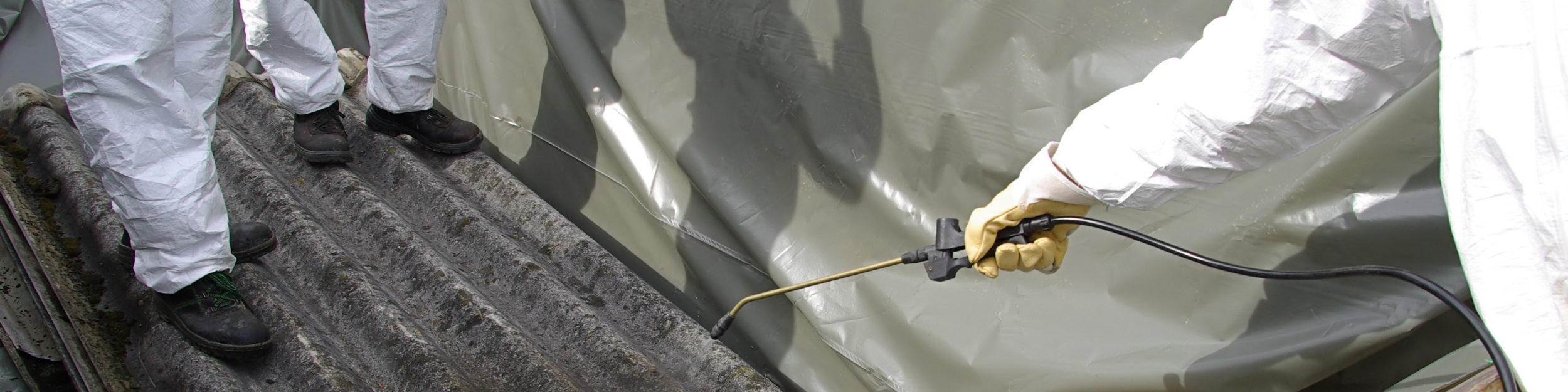
Asbestos, a set of six naturally occurring silicate minerals, has been used in building materials for decades. However, the discovery of its harmful effects on human health led to increased regulations and the need for asbestos removal, especially in older and historical buildings. This blog post explores a real-life example of the removal of asbestos from a historical site, detailing the challenges faced, asbestos disposal methods, and the best practices that ensured a successful outcome.
The Project: A Historical Building with Asbestos
The building in question was constructed in the early 20th century, a period when asbestos was commonly used in construction materials for its fire resistance and insulation properties. Located in the heart of a bustling city, it was a symbol of architectural elegance.
The need for asbestos removal became apparent during a routine building inspection. This required not only professional asbestos testing but also a comprehensive asbestos management plan to ensure the safe and legal disposal of asbestos.
Challenges in Asbestos Removal
Working with a Historical Site
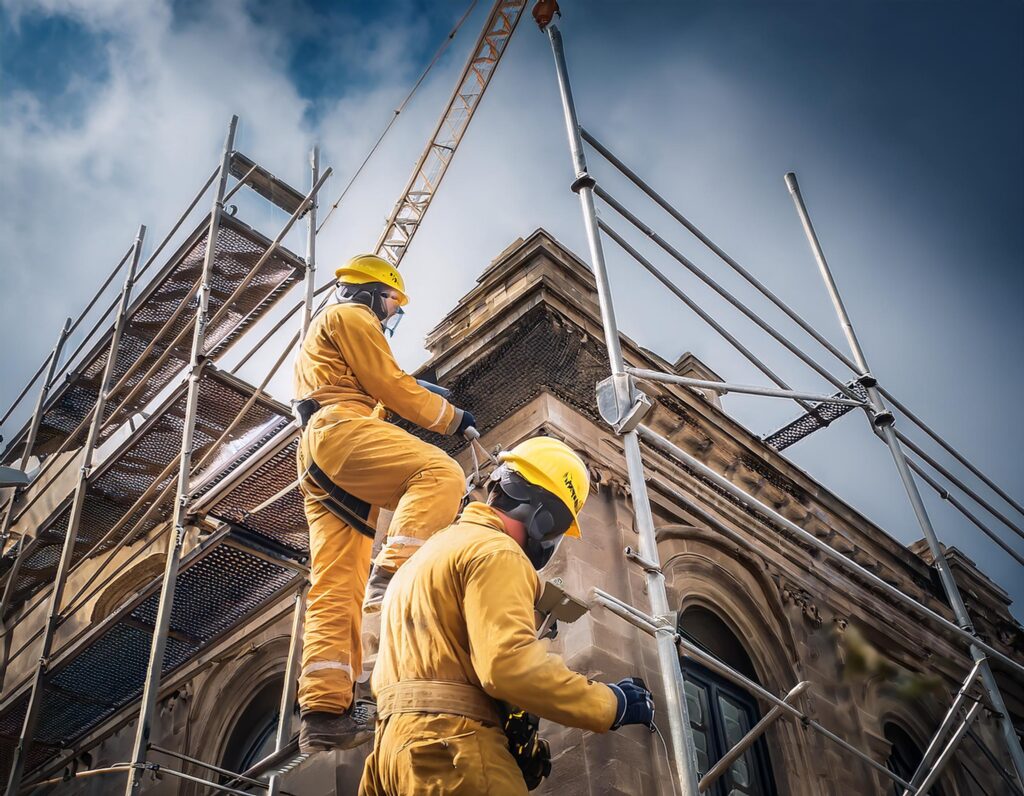
Asbestos removal in a historical building poses unique challenges. Preserving the original aesthetics and structural integrity while ensuring the safe removal of asbestos required meticulous planning.
Managing Health Risks
The removal of asbestos has to be executed with extreme care, as it poses significant health risks to workers and the general public if improperly handled. Asbestos disposal must be carried out according to stringent regulations.
Best Practices for Asbestos Removal
1. Comprehensive Asbestos Testing
As part of the asbestos management plan, extensive asbestos testing was carried out to identify the types and locations of asbestos within the building. This guided the removal process and ensured all asbestos-containing materials were identified.
2. Developing an Asbestos Management Plan
A detailed asbestos management plan was created, outlining the protocols for asbestos removal, asbestos disposal, safety procedures, and compliance with legal requirements.
3. Following Asbestos Removal Best Practices
Strict adherence to asbestos removal best practices was maintained throughout the project. This included using certified professionals for the removal of asbestos, proper containment and ventilation, and secure transportation for the disposal of asbestos.
4. Regular Monitoring and Inspection
Continuous monitoring ensured that the removal of asbestos was performed according to the plan, minimizing risks and adhering to legal requirements.
Conclusion: A Successful Outcome
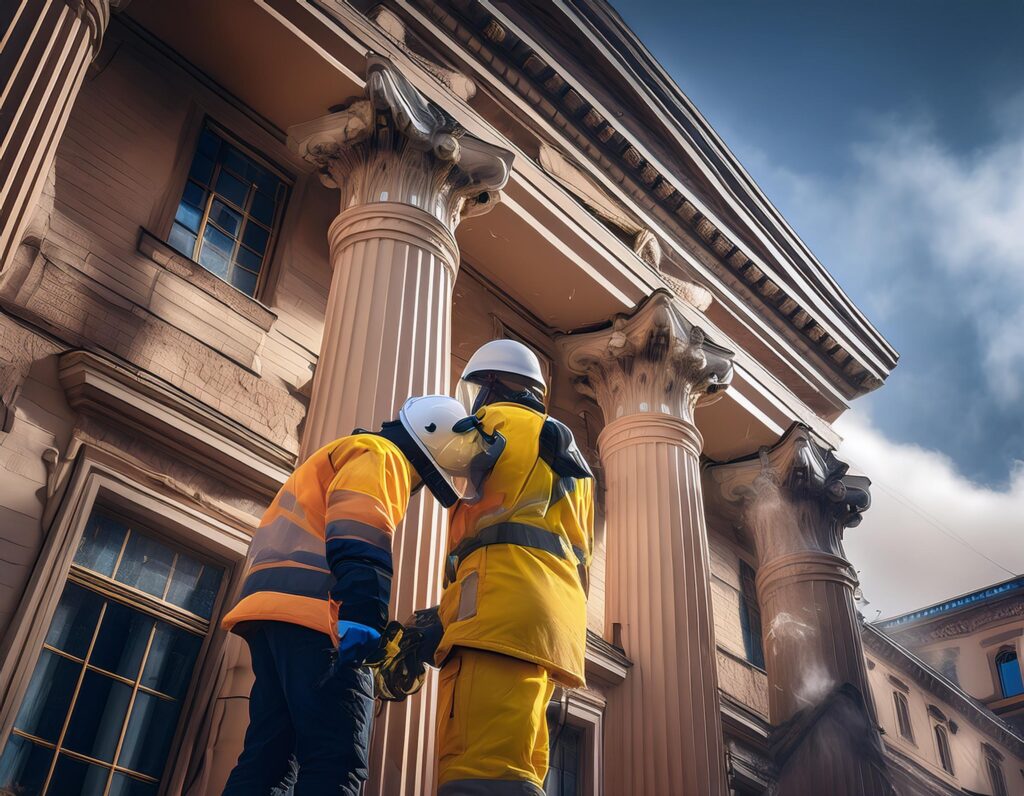
Through careful planning, thorough asbestos testing, and adherence to best practices for asbestos removal, the project was successfully completed. The historical building was restored to its former glory without compromising safety, demonstrating that with the right approach, even the most challenging asbestos removal projects can be executed effectively.
The example illustrates that with a proper asbestos management plan and strict adherence to asbestos removal best practices, the safe and successful removal of asbestos from historical sites is possible. It provides valuable insights for professionals in the field and reassures building owners that the legacy and value of their properties can be preserved, even in the face of such complex challenges.
If you are in doubt does your home or property has asbestos-containing materials and want to find out, do not hesitate to reach out to our experienced team of professionals today on: 0475 143 106 or email us on: asbestosgoneandclean@gmail.com for safe, expert asbestos removal services you can trust!