
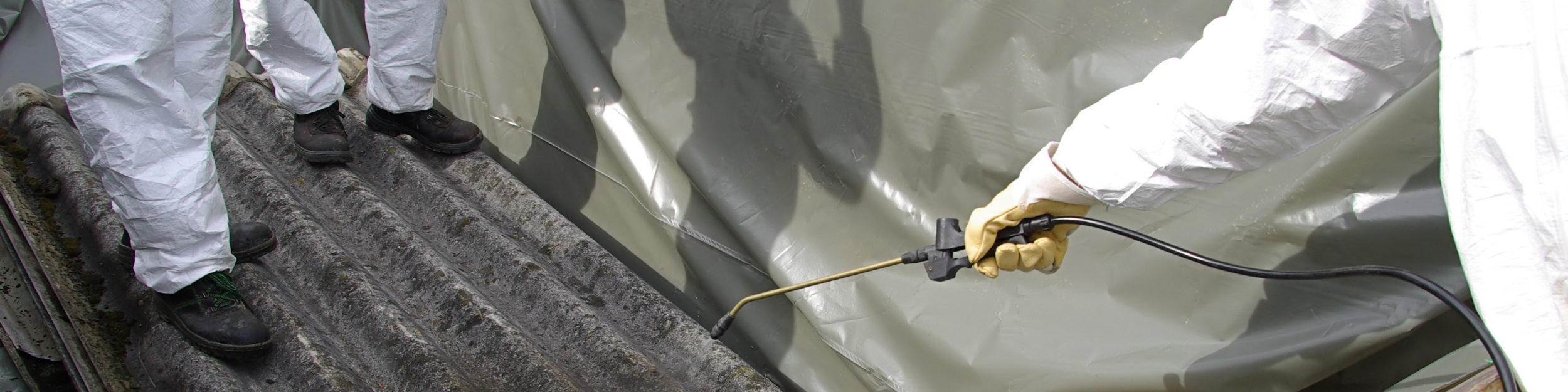
Asbestos is a term that can cause panic for homeowners, especially when found in older floor tiles. In past decades, asbestos was widely used in flooring materials for its insulating properties and resistance to heat and chemicals. However, its dangerous health risks, including lung diseases and cancer, led to regulations controlling its use and handling. This blog post will guide you through the safe procedures for asbestos removal and disposal, with a focus on older flooring materials.
Identifying Asbestos in Homes
Asbestos can be found in various building materials like floor tiles, insulation, and roofing. To determine if your floor tiles contain asbestos, it is crucial to consider asbestos testing.
Asbestos Testing: Professional asbestos testing is essential to determine the presence of asbestos in your home. DIY testing kits are available, but it’s recommended to hire a certified asbestos inspector. They have the expertise to take samples safely and analyze them in an accredited laboratory.
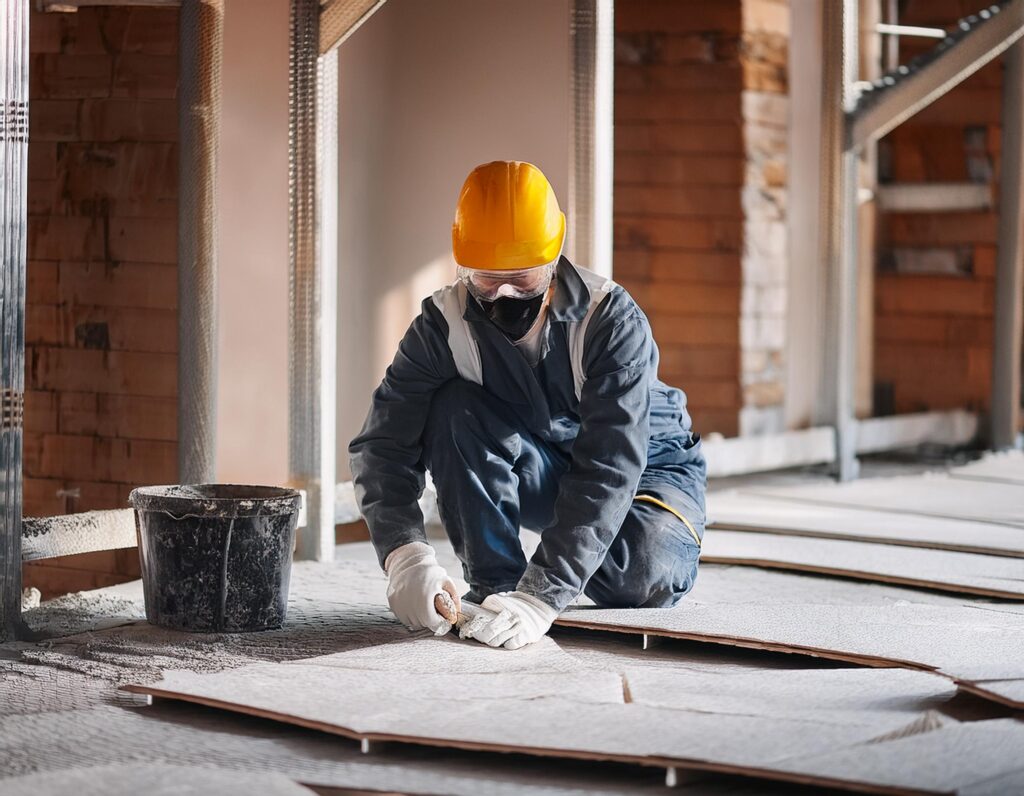
Safe Procedures for Asbestos Removal
Once asbestos-containing materials (ACMs) are identified, it’s time to decide on the best course of action. In some cases, leaving the asbestos undisturbed might be safer. However, if removal is necessary, following the proper procedures is critical.
- Hire a Professional: Asbestos removal should be handled by licensed professionals. They have the knowledge, experience, and equipment necessary for the safe removal of asbestos.
- Create a Containment Area: Professionals will seal off the area with plastic sheeting to prevent asbestos fibers from spreading to other parts of the home.
- Use Proper Safety Equipment: Workers must wear respirators, gloves, and disposable clothing to minimize exposure.
- Wet the Asbestos Material: Keeping the materials wet reduces the chances of fibers becoming airborne.
- Careful Handling: Asbestos-containing materials must be handled gently to avoid breakage and dispersal of fibers.
- Dispose of Materials Safely: Asbestos disposal must follow local regulations. ACMs must be placed in specialized bags, labeled correctly, and transported to approved disposal sites.
Preventing Future Problems
After the successful removal and disposal of asbestos, here are some additional measures:
- Monitor the Area: Regular inspections of the affected area can help ensure that all asbestos was removed.
- Choose Safe Alternatives: When replacing asbestos-containing materials, select materials that are free from harmful substances.
- Educate Yourself: Knowledge about asbestos and its risks can help you make informed decisions and take appropriate precautions.
Conclusion
Dealing with asbestos in old floor tiles is not a task to be taken lightly. From asbestos testing to the proper removal and disposal of asbestos, each step must be carried out with care and in accordance with legal requirements. By trusting professionals and being vigilant about the materials in your home, you can ensure a safe living environment for you and your family. If you’re concerned about asbestos in your home, don’t hesitate to contact a professional in your area specializing in asbestos removal and disposal. Remember, safety is paramount when dealing with asbestos-containing materials.
If you are in doubt does your home or property has asbestos-containing materials and want to find out, do not hesitate to reach out to our experienced team of professionals today on: 0475 143 106 or email us on: asbestosgoneandclean@gmail.com for safe, expert asbestos removal services you can trust!