
Recycling Asbestos: Challenges & Potential
The subject of asbestos removal and disposal has long been a topic of concern within the construction and demolition industry. As the understanding of the risks associated with asbestos-containing materials (ACMs) grows, so does the call for safer ways to handle these substances. A new question has arisen within this field: Can asbestos be recycled, and if so, what are the challenges and possibilities? This blog post will explore the potential for recycling asbestos materials, focusing on the complexities and potential innovations within the industry.
Asbestos: A Dangerous Legacy
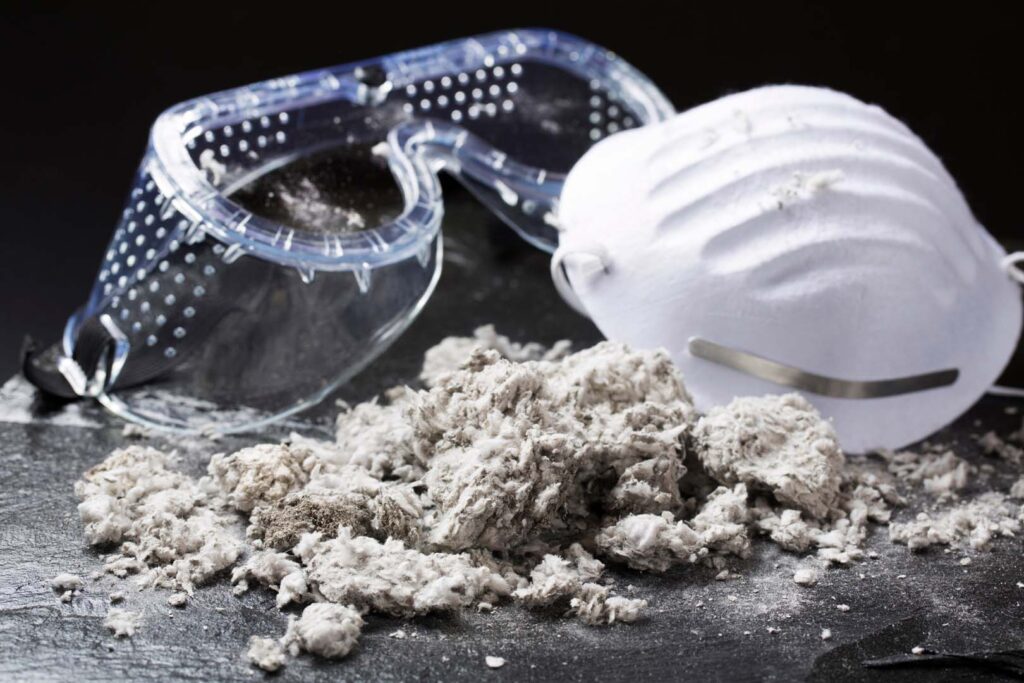
Asbestos was widely used in building materials for its fire-resistant properties, but it was later found to be highly toxic. Today, asbestos abatement, asbestos removal, and asbestos disposal are crucial steps in ensuring safety in buildings containing this hazardous material.
The Challenges in Recycling Asbestos Materials
The idea of recycling asbestos-containing materials presents a unique set of challenges:
- Health Risks: Asbestos fibers can cause severe health problems, including lung cancer and mesothelioma, when inhaled. Ensuring safety during recycling processes is paramount.
- Technological Limitations: Current technology for recycling asbestos materials is limited, and the few methods that exist are expensive and not yet scalable.
- Regulatory Barriers: Strict regulations surrounding the removal of asbestos and disposal of asbestos must be followed. Any recycling process must adhere to these complex rules, often making the idea of recycling seem unfeasible.
Potential for Recycling Asbestos
Despite these challenges, the recycling of asbestos is not entirely out of reach. Innovative methods and approaches are being researched and developed to safely reuse asbestos materials.
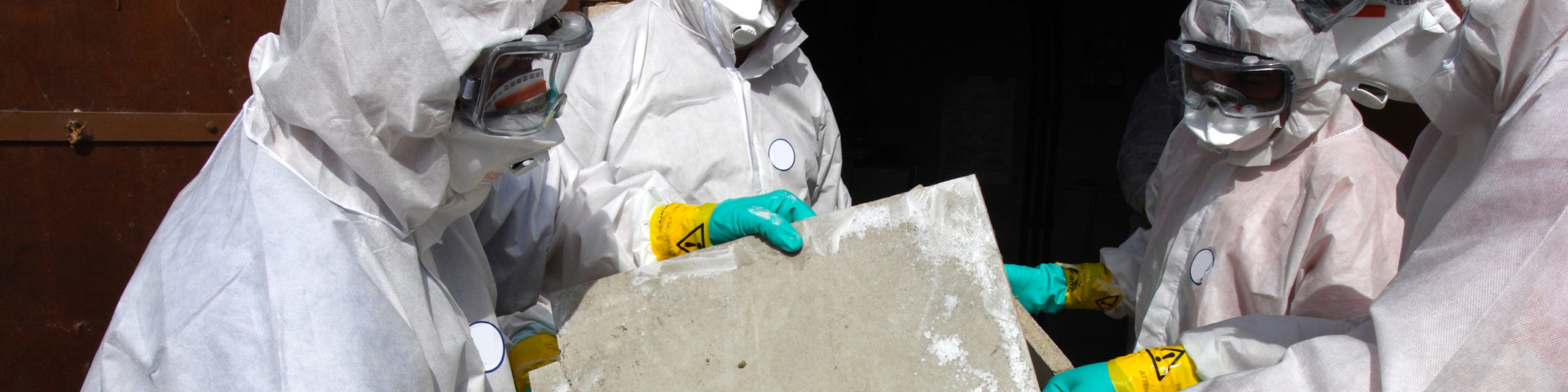
- Safe Handling: With the right training and equipment, the risk associated with handling asbestos can be minimized. Firms specializing in asbestos abatement are well-versed in safe handling practices, including asbestos testing.
- New Recycling Technologies: Some companies are exploring methods for recycling asbestos materials into non-hazardous products. These innovative approaches could transform the industry by offering a sustainable alternative to traditional asbestos disposal.
- Legislative Support: If governments and regulatory bodies see the value in recycling asbestos-containing materials, changes to the laws could make recycling more feasible.
Conclusion
Recycling asbestos materials is an ambitious goal that requires overcoming significant challenges. While the idea of turning these dangerous substances into reusable products is appealing, it requires advances in technology, changes to regulations, and the careful navigation of serious health risks.
The industry’s future may include more efficient means of asbestos removal, disposal of asbestos in an environmentally friendly way, and even recycling asbestos-containing materials. The combination of technology, legislation, and innovation may soon make the recycling of asbestos not only possible but a standard practice.
For those dealing with asbestos-containing materials, it is essential to consult experts in asbestos testing and asbestos abatement. The risks are too significant to be handled without specialized knowledge and equipment. As research and technology advance, the possibilities for safely recycling asbestos materials may become more of a reality, potentially revolutionizing the way we handle this hazardous material.
If you are in doubt does your home or property has asbestos-containing materials and want to find out, do not hesitate to reach out to our experienced team of professionals today on: 0475 143 106 or email us on: asbestosgoneandclean@gmail.com for safe, expert asbestos removal services you can trust!