
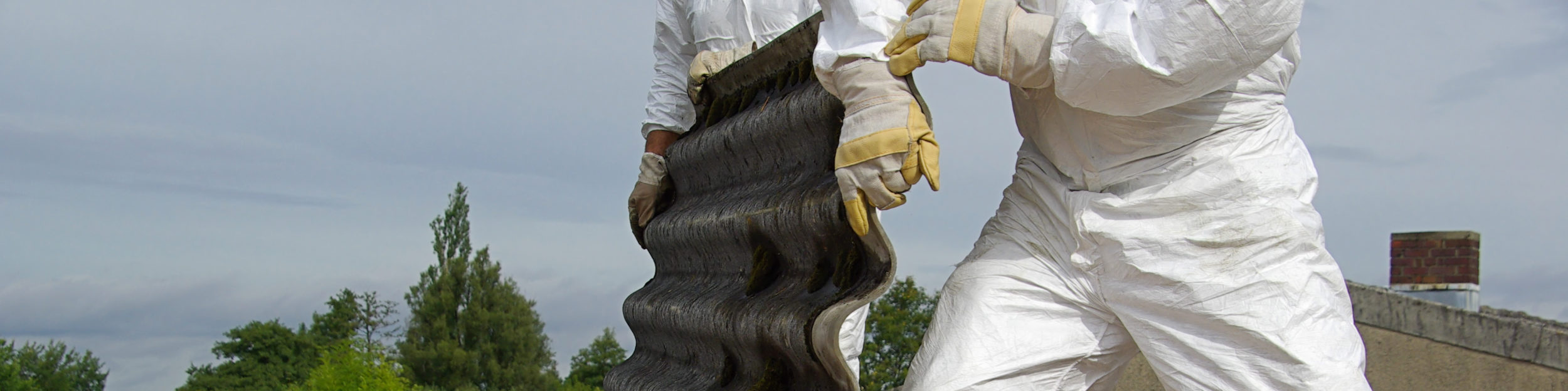
Asbestos, once widely used in construction, has become a major environmental concern due to its potential health hazards. When asbestos-containing materials (ACMs) deteriorate, they can release dangerous fibers into the air, posing risks to human health. In this post, we will explore how various climate conditions can significantly affect the deterioration of asbestos materials and the importance of asbestos removal and disposal.
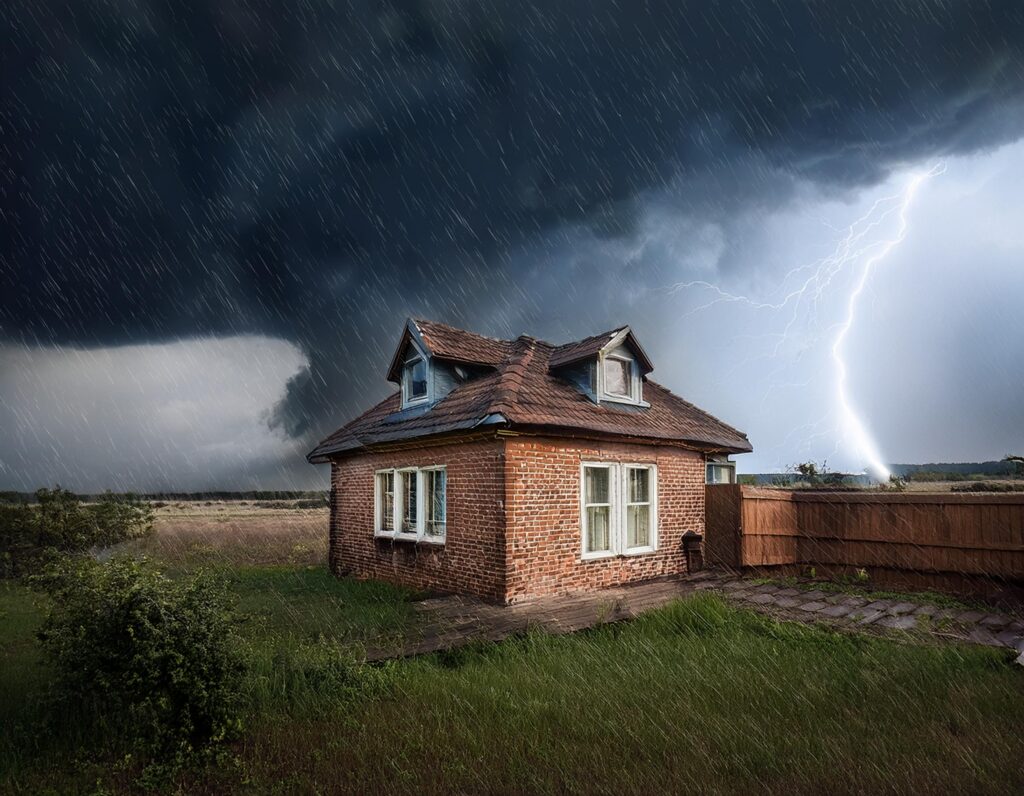
1. The Connection Between Climate Conditions and Deterioration of Asbestos Materials
Climate plays a vital role in how asbestos materials age and deteriorate. Extreme temperatures, humidity, and weather events can accelerate the degradation process, releasing dangerous fibers. Here’s how:
a) Temperature Extremes
Asbestos materials can weaken with continuous exposure to extreme temperatures. Both very hot and very cold climates can cause the material to crack, flake, and deteriorate.
b) Humidity and Moisture
Moist conditions can weaken the bond between asbestos fibers, leading to deterioration. As the materials break down, they can release fibers into the air, water, and soil.
c) Storms and Natural Disasters
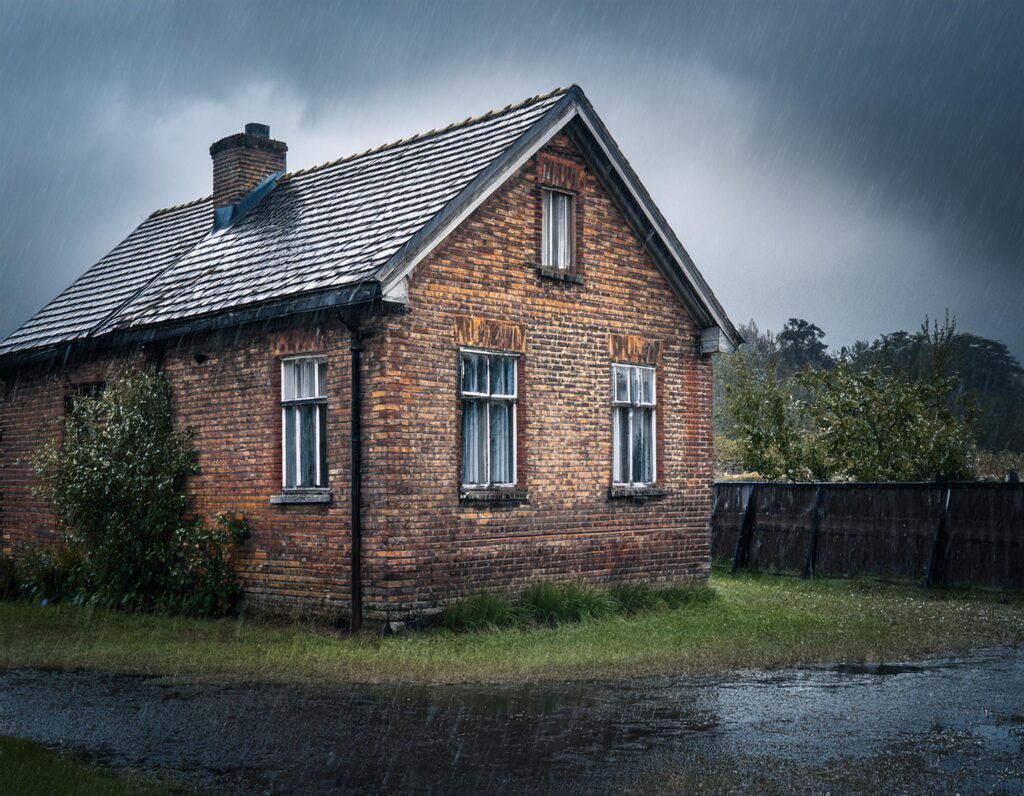
Violent weather events like hurricanes and tornadoes can damage buildings and structures containing asbestos, causing immediate and widespread fiber release.
2. Importance of Asbestos Removal and Asbestos Disposal
Given the potential risks, proper removal of asbestos and disposal of asbestos are crucial. Here’s why:
a) Asbestos Testing
Before beginning any removal or renovation, asbestos testing must be performed by certified professionals. This ensures that all ACMs are identified and handled properly.
b) Asbestos Removal
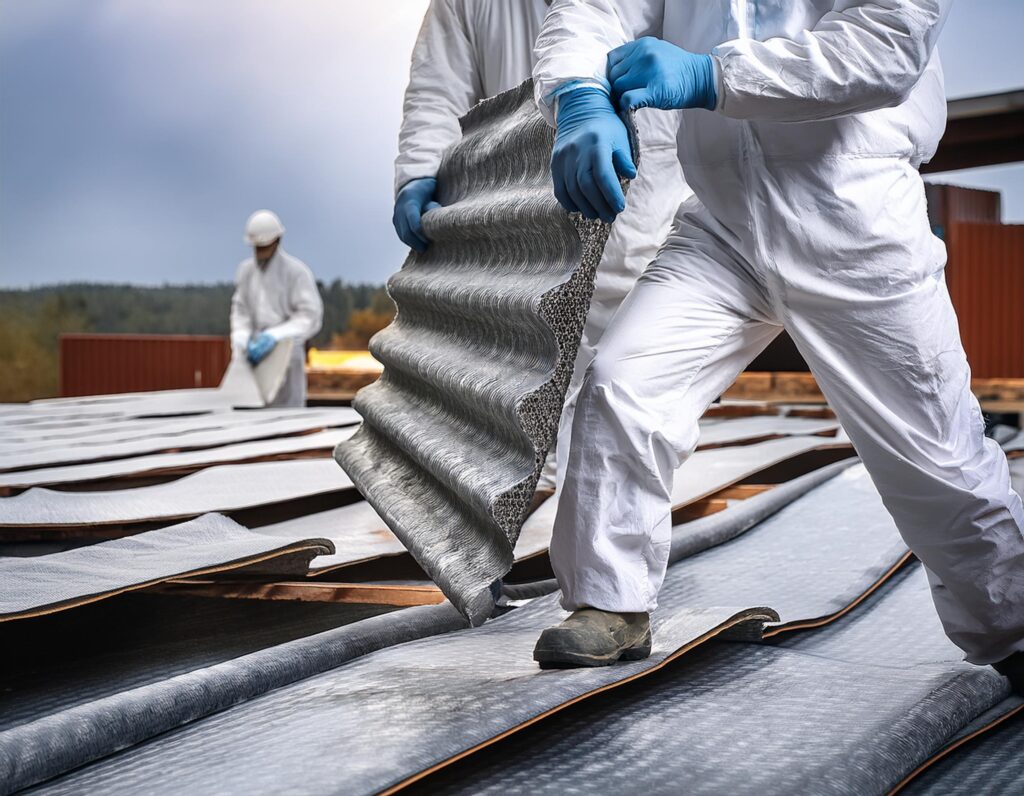
Professional removal of asbestos is necessary to minimize health risks. This must be done following specific guidelines and standards to ensure safety.
c) Asbestos Disposal
Proper disposal of asbestos materials is equally essential. ACMs must be handled and disposed of in accordance with local regulations to prevent contamination of the environment.
3. Future Considerations
As climate change continues to alter weather patterns, it is vital to consider the potential impact on the deterioration of asbestos materials. Proactive asbestos testing, asbestos removal, and disposal of asbestos can help mitigate potential environmental and health risks.
Conclusion
The impact of climate on the deterioration of asbestos materials cannot be underestimated. From temperature extremes to humid conditions and severe weather events, various climate factors can accelerate the degradation of ACMs, posing a threat to both human health and the environment.
With a focus on responsible asbestos testing, asbestos removal, and asbestos disposal, we can manage the risk and ensure that our surroundings remain safe. It’s a matter of global importance that requires continuous attention, adherence to regulations, and a commitment to responsible handling and disposal of these hazardous materials.
Whether you need help with removal of asbestos or guidance on proper disposal of asbestos, professional services exist to ensure compliance with all necessary regulations. The health of our planet and its inhabitants depends on our ability to respond to these challenges effectively.
If you are in doubt does your home or property has asbestos-containing materials and want to find out, do not hesitate to reach out to our experienced team of professionals today on: 0475 143 106 or email us on: asbestosgoneandclean@gmail.com for safe, expert asbestos removal services you can trust!