
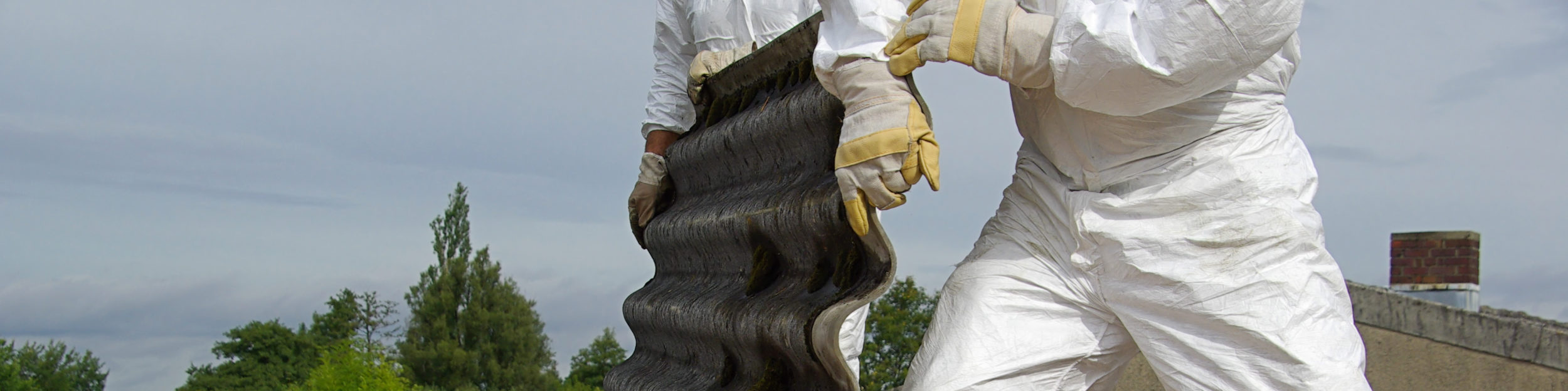
Quick answer: If your Melbourne or Victorian property has a textured “popcorn”, “stipple” or “vermiculite” ceiling and the building was constructed or renovated between roughly 1960 and the mid-1980s, you should assume the coating contains asbestos until a NATA-accredited bulk sample analysed under AS 5370:2024 proves otherwise. Critically, textured ceiling coatings that contain asbestos are almost always classified as friable under the Occupational Health and Safety Regulations 2017 (Vic) — the soft, chalky binder dusts on contact. That puts them in Class A territory, not Class B. Do not sand, scrape, drill, water-blast or attempt to paint over a suspect ceiling, and never let a general handyman or painter touch it. The correct sequence is: stop, isolate the room, get a licensed inspector in, test, classify, plan, remove by a Class A licensed contractor under full enclosure with air monitoring, obtain an independent Regulation 297 clearance certificate, and only then re-enter the room. This guide walks through exactly how that works in Melbourne and across Victoria in 2026 — what to look for, what it costs, what your legal obligations are, and how Asbestos Gone and Clean coordinates Class A friable removal, surrounding Class B non-friable removal, demolition and restoration as one managed project.
If you’ve been staring at a stippled ceiling wondering whether you can just paint over it for the property styling photos — please read this first.
Why Popcorn Ceilings Are the Single Most Misunderstood Asbestos Material in Melbourne Homes
Of all the asbestos-containing materials we get called to in Melbourne, the textured ceiling is the one homeowners most consistently get wrong — and the consequences of getting it wrong are disproportionately severe.
The misunderstanding has three sources.
First, the assumption that “it’s just paint.” Most popcorn ceilings look like a thick, lumpy paint finish. Owners reach for a scraper or a sander the way they would on any other tired surface, and within minutes they have generated a dust cloud that has just contaminated the entire room — and via foot traffic, the entire house.
Second, the assumption that “non-friable = safe-ish.” Owners who know enough to be cautious often assume textured ceilings sit in the same category as fibro sheeting and eaves — bonded, low-risk, manageable under a Class B scope. They are wrong. The cement-based matrix that locks fibres into a Super Six roof sheet does not exist in a textured ceiling coating. The binder is typically a soft plaster, gypsum or paint-based compound that crumbles under finger pressure.
Third, the assumption that “the ban means it’s gone.” Asbestos has been banned in Australian construction since 31 December 2003, but textured ceilings were applied in vast quantities through the 1960s, 1970s and into the 1980s — and the buildings are still standing, with the original ceilings still in place. Roughly 1 in 3 Australian homes built before 1990 contains some form of asbestos-containing material (ACM), and the textured ceiling is one of the most common forms in homes of that era.
Translation: if you are looking at a stipple ceiling in a 1960s home in Glen Iris, a 1970s unit in Box Hill, a 1980s cottage in Coburg or a regional Victorian motel built in that window, the chance the coating contains chrysotile asbestos is meaningful — and the chance that disturbing it is a friable event is very high.
A Quick History: Why Textured Ceilings Were Coated With Asbestos In The First Place
To understand what’s above your head, it helps to know why it’s there.
From the late 1950s through the early 1980s, textured ceiling coatings were enormously popular in Australian construction. They were cheap, they hid imperfections in the plaster substrate beneath, they offered modest acoustic dampening, they fitted the design vocabulary of the era, and — significantly — they could be sprayed onto a ceiling in a fraction of the time it took to flush, sand and paint a smooth plaster finish.
Manufacturers commonly added chrysotile (white asbestos) to the wet mix for three reasons:
- As a binder and bulking agent — the fibres held the wet coating together while it dried in a thick, stippled profile.
- As a fire retardant — chrysotile gave the coating a degree of passive fire resistance, which was a selling point for ceilings in particular.
- As an acoustic improver — the fibrous structure of the coating absorbed sound, contributing to the “acoustic ceiling” marketing of the era.
The proportion of asbestos in these coatings varied widely — some contain a few percent, some considerably more. The variability is exactly why visual inspection alone cannot rule a textured ceiling in or out. The only reliable identification pathway is laboratory analysis of a properly taken bulk sample.
Use of asbestos in these products was wound back through the 1980s and ceased entirely by the time the national ban came into force in 2003 — but the legacy ceilings are still everywhere, particularly in mid-century housing stock across Melbourne and regional Victoria.
What Textured Asbestos Ceilings Look Like
There is no single visual signature. The product was applied in a wide range of profiles depending on the contractor, the year, the region and the design brief. But there are recognisable patterns.
Common visual profiles
- Classic “popcorn” or “cottage cheese” texture — small, dense, irregular lumps across the entire ceiling, typically 3 to 8mm deep, painted off-white or cream and yellowing with age.
- “Stipple” finish — a finer, more uniform pebbled texture, often applied with a stipple roller or sprayed and then dabbed. Smaller and more regular than popcorn.
- “Swirl” or “comb” patterns — a thicker base coat that has been combed, swirled or trowelled into decorative arcs, fans or rosettes. Common in entrance halls, lounges and formal dining rooms of the 1960s and 1970s.
- “Vermiculite-style” finish — a coarser, chunkier coating with a slightly sparkly or mica-like appearance from the vermiculite fragments. Found in some commercial fit-outs and institutional ceilings.
- Decorative sprayed wall coatings — the same product was sometimes applied to walls, particularly in 1970s-built motels, holiday units and some public buildings.
Tell-tale signs the ceiling is from the asbestos era
- The building was built or last renovated between 1955 and 1985.
- The coating shows age yellowing, smoke staining or a brittle, dusty surface.
- There are hairline cracks running through the texture, particularly around light fittings, ceiling roses and cornice junctions.
- Small lumps or fragments of the coating have fallen onto top shelves, picture rails or the floor.
- The texture has been painted over multiple times, creating a thick built-up surface that flakes at the edges.
- There is a dust halo around downlights, smoke detectors or ceiling fans where the coating has been disturbed during electrical work.
- A previous tradesperson (electrician, ceiling fan installer, plasterer) has cut a small hole through the coating and the exposed edge shows a soft, fibrous, plaster-like core rather than a dense paint-and-plaster layer.
Where in Melbourne you’ll see it most
Textured ceilings of this era appear right across Melbourne and Victorian housing stock, but they are particularly common in:
- Mid-century homes across Northcote, Coburg, Reservoir, Heidelberg, Pascoe Vale, Brunswick, Footscray, Sunshine, Box Hill, Glen Iris, Caulfield, Bentleigh, Oakleigh, Doncaster and Templestowe.
- 1960s–1970s walk-up and three-storey apartment blocks through Elwood, St Kilda, Carnegie, Murrumbeena and along the train lines through the inner east and inner north.
- Project-home estates built through the 1970s in Frankston, Dandenong, Werribee, Sunbury, Croydon and Ringwood.
- Older commercial fit-outs — small offices, doctors’ surgeries, dental practices, motels and aged-care wings in country towns including Geelong, Ballarat, Bendigo, Shepparton, Wodonga, Warrnambool and across the Latrobe Valley and Mornington Peninsula.
- Public buildings of the era — school administration wings, hall foyers, club rooms, scout halls and CFA stations that have not yet been refurbished.
Working rule of thumb: Pre-1990 textured ceiling + Melbourne or Victorian location = treat as friable asbestos until a NATA-accredited test proves otherwise.
Why Textured Ceilings Are (Almost Always) Friable — And Why That Matters
This is the single most important section in this article.
Under the OHS Regulations 2017 (Vic), asbestos is classified as either non-friable (bonded) or friable based on its current physical condition, not its history:
- Non-friable material cannot be crumbled, pulverised or reduced to powder by hand pressure when dry. Fibro sheeting, corrugated roofing, eaves, fences, vinyl tiles and switchboard panels are the classic examples.
- Friable material can be crumbled by hand pressure when dry, or is already a powder. Sprayed limpet insulation, pipe lagging, asbestos rope, millboard, loose-fill insulation — and textured ceiling coatings — sit in this category.
The textured ceiling coating’s binder is the issue. Unlike asbestos cement, where the chrysotile fibres are locked inside a hardened cement matrix, the textured ceiling binder is generally a soft plaster, gypsum or paint compound. Press a fingernail into it and it crumbles. Tap it with a screwdriver and dust falls. Cut it with a power tool and a fibre cloud is released into the room.
Why the classification controls everything that happens next
The friable / non-friable classification dictates which licence class is legally allowed to remove the material:
| Licence class | What it can remove | Who needs it for a popcorn ceiling? |
|---|---|---|
| Class B (non-friable) | Bonded ACM only — fibro, eaves, fences, vinyl tiles, intact roofing | Cannot legally remove a friable textured ceiling — even with the owner’s permission |
| Class A (friable + non-friable) | All asbestos, including friable | Required for any confirmed friable textured ceiling removal |
A Class B licence holder is legally prohibited from undertaking Class A work under any circumstances. There is no exception, no quantity threshold, and no flexibility on this. A Class B contractor who quotes a friable ceiling removal as a Class B scope is either not aware of what they are looking at, or is operating outside their licence. Both should disqualify them from your job.
Equally — and this is where homeowners often misunderstand — the small-quantity DIY exemption that applies to non-friable asbestos (less than 10m² and less than one hour over any seven-day period in Victorian residential settings) does not apply to friable asbestos under any circumstances. There is no legal DIY pathway for a textured asbestos ceiling. None.
The practical reality for homeowners: the legal, safe, insurable removal of a textured asbestos ceiling in Victoria is a Class A job, full stop. Anyone offering to do it as a Class B job, a handyman job, or a DIY weekend with rented PPE is putting you, your family and your property at very serious risk.
The Health Risk: Why Textured Ceilings Punch Above Their Weight
Most asbestos materials in a residential property are passive — a fibro fence, an intact roof, a switchboard panel. They sit there harmlessly unless deliberately disturbed. A textured ceiling is different.
Three properties of textured ceilings make them disproportionately hazardous:
- The matrix is soft and degrades over time. Decades of temperature swings, vibration from foot traffic upstairs, downlight heat, recurrent painting and the occasional accidental knock all contribute to the slow shedding of fibres from the coating into the room below.
- The ceiling is overhead. Any fibres released travel downward into the breathing zone of every person in the room. Compare this to a fibro fence at the back boundary, where most ambient fibres disperse outside.
- The whole house is at risk on a single disturbance event. Sanding, scraping, water-blasting or drilling into the ceiling releases fibres into the room’s air, which then travels through internal doors, HVAC systems and foot traffic into every other room. The contamination event is rarely confined to where the work happened.
In a friable ceiling event, a single sanding session in one bedroom can result in fibre concentrations that require professional decontamination of the entire upper level — often the entire dwelling — including curtains, carpets, soft furnishings, wardrobes, bedding, and ducted heating and cooling components. The cost of that clean-up routinely runs into the tens of thousands of dollars and, in severe cases, six figures.
Beyond the immediate clean-up, the long-tail health risk is the same one that drives the entire regulatory framework. Approximately 4,000 Australians die each year from asbestos-related diseases — mesothelioma, asbestos-related lung cancer and asbestosis. The latency period is typically 20 to 50 years, meaning the exposures driving today’s deaths happened in the 1970s, 1980s and 1990s. The exposures happening in 2026 will drive the death rates of the 2050s and beyond.
There is no known safe lower threshold of asbestos exposure. Every fibre that doesn’t get released today is one that can’t lodge in lung tissue tomorrow.
What To Do — and Never Do — If You Suspect Your Ceiling Contains Asbestos
This is the practical checklist. Tape it to the fridge if you need to.
The Do-Not-Touch List
If your property has a textured ceiling and the building is pre-1990 (or pre-1990 in part), do not under any circumstances:
- Sand it — at any speed, with any sandpaper, dry or wet.
- Scrape it — with a putty knife, a paint scraper, a putty knife taped to a pole, or anything else.
- Drill into it — for downlights, smoke detectors, ceiling fans, picture hooks or anything else.
- Water-blast it — even at “low pressure” or “just to clean it.” The water carries fibres into every adjacent surface.
- Steam-clean it — for the same reason.
- Pressure-wash it — outdoor decorative coatings of the same era should be treated the same way.
- Spray-paint it without first having it tested — the overspray and pressure can disturb the coating.
- Allow a painter to “prep” it — most painters will instinctively sand any loose flaking texture before painting. That is a fibre release event.
- Allow an electrician to retrofit downlights, ceiling fans, smoke alarms or HVAC ducts through it.
- Allow a plasterer to “skim it flat” — the standard skim-coat preparation involves a sander.
- Allow a real-estate stylist or DIY enthusiast to scrape, brush or treat it for sale photos. This is one of the most common contamination events we are called to.
- Pull old downlight or fan fittings out of it. Even removing existing fittings disturbs the coating around the cut-out.
- Vacuum the floor underneath if material has dropped — a household vacuum will redistribute fibres throughout the house. Use damp paper towels carefully, double-bag, and call a licensed inspector.
The Do List
- Isolate the room. Close internal doors, turn off ducted heating and cooling, leave external doors and windows closed.
- Stop foot traffic through the room. Tape the door shut from the outside if needed.
- Photograph the ceiling and any fallen fragments. This becomes part of the inspection record.
- Engage a licensed asbestos assessor — not a builder, painter, plasterer or “asbestos awareness trained” tradesperson — to attend the property and take a NATA-accredited bulk sample for AS 5370:2024 laboratory analysis.
- Wait for the lab result. It typically takes two to five working days.
- If the test confirms asbestos: plan the removal as a Class A scope. Do not re-enter the room except under controlled conditions.
- If the test is negative: keep the lab report indefinitely as part of the property records, and proceed with whatever work you originally planned.
How Textured Asbestos Ceilings Are Tested
The testing pathway in Victoria in 2026 is well established and inexpensive relative to the cost of getting it wrong.
Step 1 — Engage a licensed assessor
A competent assessor will hold formal qualifications in asbestos assessment, carry appropriate insurance, and be familiar with AS 5370:2024 sampling protocols. For a residential ceiling test, expect a site visit, a wet-method bulk sample taken from a representative section of the coating, a small area patched or photographed for the record, and chain-of-custody documentation to the laboratory.
Step 2 — NATA-accredited laboratory analysis
The sample is sent to a NATA-accredited laboratory for analysis under AS 5370:2024 using polarised light microscopy with dispersion staining. The lab confirms:
- Whether the sample contains asbestos.
- Which type of asbestos is present — chrysotile, amosite, crocidolite or mixed.
- An approximate concentration band.
The report does not classify the material as friable or non-friable — that is a field call made by the licensed assessor based on the sample’s physical behaviour and the condition of the broader ceiling. For textured ceilings, the classification is almost universally friable.
Step 3 — Documented outcome
The assessor’s report becomes part of the property’s permanent record. For a Victorian workplace (which includes any building that will host trades during renovation), the result feeds into the property’s asbestos register and asbestos management plan under Part 4.4 of the OHS Regulations 2017.
What testing costs in Melbourne in 2026
For a single textured ceiling, expect:
- Inspector site attendance: a small mobilisation fee, often bundled.
- Bulk sample test: typically $40 to $80 per sample.
- Multi-sample testing (for example, sampling several rooms with different coatings): pro-rata per sample.
- Expedited (next-day) laboratory turnaround: available at additional cost where the project timeline is critical.
The total testing investment for a typical Melbourne home with one or two textured ceilings is well under the cost of a single contamination clean-up. There is no rational financial argument against testing.
The Three Routes Forward Once Asbestos Is Confirmed
If the lab confirms the ceiling contains asbestos, you have three legitimate routes forward. Choosing between them is a function of your renovation plans, your timeline, your budget and the condition of the existing ceiling.
Route 1 — Removal
The textured ceiling is removed in full, typically along with the underlying plaster substrate, and replaced with a modern plasterboard ceiling.
When this is the right call:
- You are renovating the room or the property and intend to change the ceiling profile anyway.
- The coating is visibly degraded, cracked, falling in fragments, or has been damaged by water, fire or impact.
- The property is being sold and the buyers (or the buyers’ inspectors) will identify the material in due diligence regardless.
- The property is a rental and the duty-of-care exposure on the landlord is ongoing.
- A demolition or significant strip-out is planned within the foreseeable future and the asbestos must be removed before mechanical works begin (a non-negotiable duty under Regulation 273 of the OHS Regulations 2017).
What removal involves:
- Class A licensed removalist (the project coordinator role we play is described below).
- Full enclosure of the work area — typically the entire room — with 200-micron polyethylene sheeting taped to floor, walls and any retained surfaces.
- Negative-pressure air units with HEPA filtration to keep the work zone at lower air pressure than the surrounding building, ensuring any leakage flows into the zone, not out.
- Three-stage decontamination unit — typically a portable shower system through which workers must pass when leaving the zone.
- Air-fed respiratory protective equipment for removalists working in the enclosure.
- Wet-method removal using low-pressure water sprays to suppress fibre release, with the coating scraped and bagged at source.
- Pre-, during- and post-work air monitoring by a NATA-accredited analyst.
- Double-bagging of all removed material in 200-micron polyethylene, labelled “CAUTION ASBESTOS” and logged into EPA Victoria’s Waste Tracker system.
- Transport by an EPA-permissioned operator in a covered secure vehicle to an EPA-licensed landfill authorised to receive asbestos.
- Independent clearance certificate issued under Regulation 297 of the OHS Regulations 2017 before the enclosure is dismantled and the room is released back to the owner.
- Reinstatement — new ceiling plasterboard, cornice, paint and any electrical refits.
Route 2 — Encapsulation
The ceiling is left in place and sealed with a specialist encapsulating coating that locks the fibres in place. This is sometimes appropriate as an interim measure.
When this is the right call:
- The coating is in good intact condition with no cracking, flaking or water damage.
- There is no planned renovation that would disturb the ceiling.
- The room is low-traffic and not subject to mechanical loading or vibration.
- The property is a workplace with a documented asbestos management plan and ongoing condition monitoring.
- The budget for full removal is not currently available, but a managed-in-place strategy is acceptable to the duty holder.
Important limitations:
- Encapsulation does not remove the asbestos. It defers the removal.
- The encapsulated ceiling must be noted in the asbestos register and inspected periodically.
- Any future renovation, electrical work, ceiling penetration, fan installation or downlight retrofit reverts the situation to a full Class A removal scope.
- The encapsulating coating itself must be applied by a specialist contractor using methods that do not disturb the underlying asbestos — meaning low-pressure airless spray with appropriate enclosure precautions, not a brush or roller pass over the existing coating.
- Encapsulation is not appropriate for ceilings in poor condition, water-damaged ceilings, or ceilings where the substrate has begun to fail.
An honest note on encapsulation: in our experience, encapsulation is often presented to homeowners as a “cheap fix” by contractors who are not licensed for Class A work. In many cases it is the wrong solution for the property and simply delays the inevitable. The right time to encapsulate is when removal is genuinely premature — not when removal is inconvenient.
Route 3 — Manage in place with ongoing controls
The ceiling is left as is, with a documented condition assessment, an entry in the asbestos register, restrictions on disturbance, and a monitoring schedule.
When this is the right call:
- The property is a workplace (commercial, industrial, institutional, or any pre-2004 building hosting trades).
- The coating is in stable, intact condition.
- There is no foreseeable renovation that would disturb it.
- The asbestos management plan documents the controls.
For owner-occupier residential properties, the “manage in place” approach is generally less satisfactory than removal — the duty-of-care obligations are continuous, the property’s marketability is reduced, and any future trade visit (electrician, plumber, NBN installer, antenna technician, smoke alarm contractor) brings the disturbance risk back.
What It Costs To Remove an Asbestos Textured Ceiling in Melbourne
Cost ranges vary widely with ceiling area, room layout, building height, access constraints, the presence of associated asbestos materials (eaves, wall sheets, switchboards), and whether reinstatement and electrical works are bundled into the scope.
Indicative costs in Melbourne in 2026 for a Class A friable ceiling removal:
| Scope | Indicative cost range (incl. enclosure, air monitoring, disposal, clearance) |
|---|---|
| Single bedroom ceiling (10–15m²) | Significantly more than the equivalent non-friable scope; expect mid four figures upward depending on access and condition |
| Open-plan lounge/dining (25–40m²) | Materially higher again — enclosure size and air-monitoring duration drive the difference |
| Whole-house ceiling replacement (pre-1990 home) | Five-figure range, sometimes higher where multiple associated ACMs are bundled |
| Commercial fit-out — open-plan office, motel wing, hall | Project-specific — driven by area, ceiling height, occupancy displacement and after-hours premium |
These ranges include the enclosure, negative-air systems, air monitoring (pre/during/post), wet-method removal, double-wrap disposal as Reportable Priority Waste, EPA Waste Tracker manifests, EPA-licensed landfill burial, independent Regulation 297 clearance certificate, and the documentation pack — not the lowest-headline-figure-and-extras-on-top model.
What makes the cost higher than non-friable work
A Class A scope is structurally more expensive than a Class B scope, and the gap is not arbitrary:
- Enclosure construction and dismantling — a typical ceiling enclosure is a full-room build with sealed seams, viewing windows, an access airlock and decontamination unit attached.
- Negative-air units and HEPA filtration for the duration of the works.
- Air-fed respiratory equipment rather than P2/P3 negative-pressure masks.
- NATA-accredited air monitoring before, during and after the works.
- Mandatory on-site supervision under Class A licence conditions, not just nominated supervision.
- Higher labour input per square metre because wet-method removal of textured coatings is slow, careful work.
- Higher disposal volumes — the enclosure materials and decontamination consumables travel to landfill with the source material.
What inflates the cost further
- Difficult access — narrow stairwells, second-storey work, restricted parking, no street-level loading.
- High ceilings — scaffold or elevated work platform requirements.
- Multiple associated ACMs — eaves, wall sheets, switchboards, vinyl tiles bundled into the same project (often a saving overall, but lifts the headline number).
- Heritage-listed properties — restoration of cornices and ceiling detail may need specialist trades after the asbestos is out.
- Tenancy displacement — apartment buildings and shared residential require staged works.
- After-hours commercial work — to avoid disturbing operating businesses.
What does not legitimately reduce the cost
- Quoting it as a Class B job (illegal and uninsured).
- Skipping the enclosure (illegal under Class A controls).
- Skipping air monitoring (illegal and unclearable).
- Skipping the independent clearance (illegal — the area cannot be re-occupied).
- Disposing at a general transfer station (illegal — penalty exceeding $50,000 per offence).
- Using “asbestos awareness” trades to do the work (illegal — and your insurance will void).
Anyone significantly underbidding the legitimate market for a friable ceiling job is selling you a risk transfer that is not theirs to make.
How Asbestos Gone and Clean Manages Friable Ceiling Jobs as a Class B Specialist
Here is where the honest commercial conversation begins.
Asbestos Gone and Clean is a WorkSafe Victoria licensed Class B asbestos removalist. We are licensed to remove all forms of non-friable asbestos across Melbourne and Victoria, and that is the work that fills the vast majority of our calendar.
Friable textured ceilings sit on the Class A side of the line. We do not undertake Class A removal works directly. What we do do — and where our experience adds enormous value to a homeowner or builder facing a popcorn ceiling job — is project-manage the entire scope end-to-end, including:
- Initial inspection and triage — walking the property, identifying every suspect material, taking samples for NATA-accredited analysis, and producing a complete asbestos register for the project.
- Friable classification call — making the field assessment that the textured ceiling needs to be handled as Class A.
- Class A coordination — engaging and overseeing the Class A licensed specialist contractor for the ceiling removal itself, including their enclosure, air monitoring, decontamination and clearance.
- Class B works in the same project — eaves, fences, wall sheets, switchboards, vinyl tiles, garage sheeting and other non-friable items that almost always appear in the same pre-1990 properties. We handle these directly.
- Demolition and strip-out where the project is heading to a knock-down-rebuild or major renovation.
- Reinstatement coordination — new ceiling plasterboard, cornicing, electrical reinstatement and painting.
- Compliance documentation pack — manifests, EPA Waste Tracker records, clearance certificates and the asbestos register, packaged for your records.
This is the model that works best for almost every Melbourne homeowner facing a popcorn ceiling: a single point of accountability, one contractor relationship, one quote, one program, one documentation pack — with the Class A specialist work properly sub-contracted to a licensed Class A operator who carries the right licence, the right insurance and the right experience for that specific scope.
The alternative model — homeowner trying to find a Class A operator directly, separately engage trades for the surrounding work, separately engage demolition, separately engage reinstatement — is what most owners try first and abandon halfway through. It is logistically painful and almost always more expensive in the end.
What Renovators, Builders and Developers Need to Plan For
If you are a builder, developer, owner-builder or project manager looking at a property that has a textured ceiling, there are specific programmatic implications to factor in early.
Identify before you quote, not after
The single most common cost-blow-out we see is a builder who priced a renovation on the assumption the ceiling would just be painted or skimmed flat, only to discover at trade commencement that the ceiling is asbestos and the program now needs three to five additional weeks of Class A works plus reinstatement. The honest pre-quote pathway: assume every textured ceiling in a pre-1990 building is asbestos until tested, price the Class A removal into the renovation budget, and adjust the program accordingly. If the test comes back negative, you have a contingency to redeploy elsewhere on the project. If positive, you have priced and programmed honestly from day one.
Sequence the works correctly
In a renovation, the Class A ceiling removal should happen before any other trades enter the affected areas. Plasterboard reinstatement follows the clearance certificate. Electrical refit follows the new plasterboard. Painting follows the electrical. Out-of-sequence works invariably cause stop-work events and contamination clean-ups.
Account for full-room enclosure during the works
Class A removal occupies the whole room — and adjacent transit space — for the duration. In a single-storey home that means the affected wing is unavailable. In a two-storey home it usually means the upper level is sealed off. In a unit or apartment building, body corporate notification and tenant communication is needed. In a commercial site, the affected zone is offline for the duration. Build that into the program from the start.
Bundle the works where possible
A pre-1990 home that has an asbestos ceiling almost certainly has asbestos elsewhere — eaves, switchboard, wet-area sheeting, vinyl tiles, garage walls, fences. Bundling these into a single project under one removalist’s project management consistently delivers a better outcome on cost, program and documentation than treating each as a separate event spread over time.
Notify and document
For any Class A or Class B asbestos removal in Victoria, the licensed removalist must notify WorkSafe Victoria at least five days before commencement. The five-day clock matters in a tight renovation program. Don’t compress it.
Specific Scenarios We See in Melbourne
A few common situations that come up regularly in our enquiries.
“We’re about to list the property — can we just paint the ceiling for the photos?”
No. Painting a suspect textured ceiling is one of the highest-risk single-trade events we see, because the painter will almost certainly do some sanding or scraping in preparation, and the rollers and brushes will redistribute loose material. The honest answer for a sale: either disclose the asbestos in the Section 32 vendor’s statement and price the property accordingly, or remove it properly before listing. A buyer’s building and pest inspector — and any half-decent buyer’s advocate — will flag a popcorn ceiling on a pre-1990 home immediately. Hiding it does not work, and undisclosed asbestos creates ongoing legal exposure post-settlement.
“We just bought the place and the ceiling is flaking onto the carpet.”
Stop, isolate the room, do not vacuum or sweep, photograph everything, and call a licensed inspector that day. Active flaking on a pre-1990 textured ceiling is a Class A scenario by default. The carpet is now likely contaminated — do not lift it yourself; that is part of the clearance scope. If you have moved any furniture or belongings out of the room, keep them isolated until the clearance assessor advises.
“We had an electrician install LED downlights last week and didn’t think to check.”
This is unfortunately common. The electrician has cut six or eight holes through the ceiling, releasing dust into the room. Do not re-enter, do not run heating or cooling, isolate the room, photograph the cut-outs and the dust, and call for an urgent inspection. The decontamination scope depends on the airflow path during the works and afterwards — in some cases it’s confined to the room; in others it extends through the HVAC system to the whole house. The electrician’s insurance will become part of the conversation later. Document carefully.
“We’re planning a knock-down-rebuild — does the ceiling matter if we’re demolishing anyway?”
Yes — critically. Under Regulation 273 of the OHS Regulations 2017 (Vic), all identified or assumed ACM must be removed before mechanical demolition begins. If a demolition crew arrives with an excavator and the textured ceiling is still in place, the demolition spoil becomes asbestos-contaminated waste — multiplying disposal costs by a factor of five to ten and triggering site-wide environmental remediation requirements. The asbestos must come out first, by a Class A specialist, with clearance issued, before the demolition contractor sets up.
“The painter told us he’s ‘done dozens of these’ and we don’t need a licensed removalist.”
The painter is wrong, and his insurance will not cover the consequences. Visual experience is not a substitute for the legal classification, and there is no licence pathway that allows a painter to perform Class A asbestos works in Victoria. The duty under the OHS Regulations sits with the person with management or control of the site — which on an owner-occupier property is you, not the painter. The painter walks away unaffected; the owner inherits the contamination event.
“It’s only one small ceiling — surely the DIY exemption applies?”
It does not. The DIY exemption in Victoria applies only to non-friable asbestos under 10m² and under one hour of work in a seven-day period. There is no DIY pathway for friable material at any quantity. A confirmed textured asbestos ceiling is friable; therefore there is no DIY pathway, full stop.
Insurance, Disclosure and the Section 32
Three regulatory touch-points homeowners frequently underestimate.
Home and contents insurance
Standard Australian home and contents policies exclude losses arising from unlicensed asbestos work and from contamination events caused by the insured’s own work or work commissioned without proper licensing. If a homeowner attempts to remove or sand a popcorn ceiling — or instructs a painter or handyman to do so — and a contamination event follows, the policy will almost certainly not respond. The same exclusion typically applies to landlord policies on rental properties.
Section 32 vendor’s statement (Victoria)
Under the Sale of Land Act 1962 (Vic), vendors must disclose certain known property conditions in the Section 32. Material defects known to the vendor — including known asbestos conditions and any past asbestos works — should be disclosed. Hiding a known asbestos ceiling from a buyer creates exposure under both the Section 32 obligations and general misrepresentation principles. The honest path is to disclose the material, provide the test report and asbestos register, and price the property accordingly.
Rental properties under the Residential Tenancies Act 2021 (Vic)
Rental providers in Victoria have specific duties around the safety of the rented premises. A pre-1990 property being offered for rent should have a documented asbestos position. A textured ceiling in deteriorating condition in a rental property is a material safety issue that a competent rental provider should not be ignoring.
Owner-builders
Owner-builders under the Building Act 1993 (Vic) carry the same duty-of-care obligations as a registered builder for the duration of the build. That includes the asbestos register, the management plan, the licensed removalist engagement, the WorkSafe notification, the EPA disposal, and the clearance certificate. The “owner-builder” status is not a relaxation of these obligations.
Frequently Asked Questions: Asbestos in Textured (Popcorn) Ceilings
Are all popcorn ceilings asbestos?
No — but the only way to know is laboratory analysis. Textured ceilings were applied widely from the late 1950s through the early 1980s, and chrysotile asbestos was a common additive during that window. Post-1990 textured ceilings are typically asbestos-free, but the visual appearance is essentially identical, and the only reliable identification is a NATA-accredited bulk sample analysed under AS 5370:2024. Any pre-1990 textured ceiling in a Melbourne or Victorian property should be treated as containing asbestos until tested.
Can I just paint over a popcorn ceiling to seal in the asbestos?
Painting over a suspect textured ceiling is not equivalent to professional encapsulation, and is genuinely dangerous. The act of painting — and the surface preparation that typically precedes it — disturbs the coating and releases fibres. Professional encapsulation uses specific low-disturbance application methods, specialist coatings designed for asbestos sealing, and is documented in the property’s asbestos register. A standard paint job by a residential painter is not the same thing and does not deliver the same outcome.
What does an asbestos popcorn ceiling test cost in Melbourne?
A single bulk sample analysed under AS 5370:2024 at a NATA-accredited laboratory typically costs $40 to $80 per sample, plus the assessor’s site attendance fee. For a typical Melbourne home with one or two textured ceilings, total testing cost is well under $500 in most cases. Compared to the cost of any contamination event, this is the most cost-effective decision in the entire renovation budget.
How long does it take to remove a popcorn ceiling?
A typical single-room Class A textured ceiling removal — from enclosure setup to clearance certificate — usually runs three to seven working days, with the actual removal work occupying one to two days within that window. A whole-house ceiling replacement typically runs two to four weeks end-to-end. Larger commercial scopes are project-specific. The WorkSafe Victoria five-day notification window sits in front of the works in either case.
Is a Class B asbestos removalist allowed to remove a popcorn ceiling?
No. Textured asbestos ceiling coatings are almost universally classified as friable, and friable removal is restricted to Class A licensed removalists under the OHS Regulations 2017 (Vic). A Class B licence holder is legally prohibited from undertaking Class A work under any circumstances — even with the owner’s permission, even on small quantities, even on so-called “intact” ceilings. A Class B contractor offering to remove a textured ceiling as a Class B scope is operating outside their licence.
What if the test result comes back negative for asbestos?
Excellent — you keep the lab report and the assessor’s note indefinitely as part of the property’s documentation, and you proceed with whatever renovation, painting, downlight installation or other work you originally planned. The cost of testing was the cheapest insurance you could have bought.
Do I have to remove a popcorn ceiling if it tests positive?
Not necessarily. If the coating is in good intact condition, there is no planned renovation that will disturb it, and the property has a documented asbestos management plan, “manage in place” is a legitimate option under the OHS Regulations 2017. Removal becomes necessary if the ceiling is in poor condition, if any renovation or trade work would disturb it, before any demolition, and in many cases before sale or rental to provide a clean documentation position to the next occupants.
What about ceilings in apartments and units?
For apartment buildings and unit complexes, the owners corporation (formerly body corporate) typically has duties under the Owners Corporations Act 2006 (Vic) and the OHS Regulations 2017 in respect of common property. Internal ceilings within individual lots are typically the lot owner’s responsibility, but disturbance events in one lot can affect others — and the owners corporation usually needs to be notified before Class A works begin. The licensed removalist will coordinate the relevant notifications.
Where in Melbourne and Victoria does Asbestos Gone and Clean work?
We service all of Greater Melbourne — inner-city, eastern suburbs, western suburbs, northern suburbs, south-eastern suburbs, the bayside, the Mornington Peninsula — and travel throughout regional Victoria including Geelong, Ballarat, Bendigo, Shepparton, the Latrobe Valley, the Yarra Valley, Warrnambool and the rural townships. For friable ceiling work specifically, we coordinate Class A licensed specialists on your project and manage the full scope on your behalf.
What documentation should I receive at the end of the project?
A complete compliance pack including: the original asbestos inspection report and NATA lab results, the Class A removalist’s licence and insurance certificates, the Asbestos Removal Control Plan and Safe Work Method Statement, the WorkSafe Victoria notification, the EPA Waste Tracker manifests, the disposal site receipts, the air monitoring results, the independent Regulation 297 clearance certificate, the updated asbestos register, and any reinstatement documentation (electrical, plastering, painting). Retain this pack indefinitely as part of the property’s permanent records.
What if I find asbestos in the ceiling halfway through a renovation that’s already started?
Stop work immediately in the affected area. Do not vacuum, sweep, fan or ventilate the room. Isolate the area as best you can — close doors, turn off ducted heating and cooling, restrict foot traffic. Photograph everything. Call a licensed asbestos removalist for an urgent site attendance. The cost of a stop-work assessment is a fraction of the cost of continuing through unidentified material. We attend urgent calls across Melbourne and most of Victoria with a same-day or next-day response in most cases.
The Bottom Line: Test First, Decide Second, Remove Properly
The honest summary for any Melbourne or Victorian property owner staring at a popcorn ceiling in 2026 is this.
If the building was built or renovated between roughly 1955 and 1985, assume the textured ceiling coating contains asbestos until laboratory analysis proves otherwise. Visual inspection is not enough. Builder experience is not enough. Painter experience is not enough. The only reliable answer is a NATA-accredited bulk sample under AS 5370:2024 — a fast, inexpensive test that costs less than a single takeaway dinner for the family.
If the test confirms asbestos, plan for Class A removal. Textured ceilings are friable. The DIY exemption does not apply. Class B contractors cannot legally do the removal. There is no shortcut, no workaround, no “she’ll be right” pathway. The legal, safe, insurable, future-proof option is a properly enclosed, air-monitored, wet-method removal by a Class A specialist, with an independent clearance certificate before re-occupation.
If you are working with Asbestos Gone and Clean, we manage that scope end-to-end as part of a wider project. You get one contractor relationship, one program, one quote, one documentation pack. We coordinate the Class A specialist for the ceiling itself, we handle every non-friable element in the same property under our own Class B licence, we manage the demolition and reinstatement where required, and we deliver a clean compliance pack at the end.
If you are at the start of the conversation and just want to know what’s above your head, call us before anyone else touches the ceiling. That is the single most important call in the entire project.
Talk to Melbourne’s Licensed Class B Asbestos Removal Team
Asbestos Gone and Clean is a WorkSafe Victoria licensed Class B asbestos removalist servicing Greater Melbourne and regional Victoria. We specialise in non-friable asbestos removal — fences, eaves, fibro sheeting, garages, roof sheeting, vinyl tiles, switchboards — and we project-manage friable scopes such as textured ceilings in partnership with Class A licensed specialists.
If you have a textured or popcorn ceiling in a pre-1990 Melbourne or Victorian property and you want a straight answer on what’s actually there, what your options are, and what it will cost — get in touch. Site inspections, NATA-accredited sampling and honest written quotes are how every job starts.
☎ Call us: 0475 143 106
✉ Email: asbestosgoneandclean@gmail.com
???? Contact Us: Asbestos Gone and Clean – Contact
Service areas: Greater Melbourne (all suburbs), Mornington Peninsula, Geelong, Ballarat, Bendigo, Shepparton, the Latrobe Valley, the Yarra Valley, Warrnambool, and regional Victoria for larger projects.
Related Reading
- Friable vs Non-Friable Asbestos: Key Differences Explained (2026 Melbourne & Victoria Guide) — the underlying classification that puts textured ceilings on the Class A side of the line.
- Class A vs Class B Asbestos Licence: What’s the Difference? (2026 Melbourne Guide) — why Class B cannot legally remove a friable ceiling.
- Signs Your Building May Contain Asbestos: A Visual Checklist (2026 Melbourne Guide) — a room-by-room walkthrough including textured ceilings.
- Do I Need an Asbestos Inspection Before Renovating? (2026 Melbourne & Victoria Guide) — when the test is legally expected and what a competent inspection involves.
- Asbestos Removal in Older Homes: What Pre-1990 Buyers Need to Know (2026 Melbourne & Victoria Guide) — the buyer’s-side view including popcorn ceilings.
- How to Choose a Licensed Asbestos Removalist in Australia (2026 Melbourne & Victoria Guide) — verifying a Class A specialist’s credentials before signing.
- Asbestos Regulations and Legal Requirements in Australia: The 2026 Compliance Guide for Melbourne & Victoria — the full Victorian regulatory framework.
- How Asbestos Is Safely Disposed of in Australia — what happens to your old textured ceiling after it leaves the site.
Sources and Further Reading
- WorkSafe Victoria — Asbestos: Safety Basics, Licensing and Compliance Codes
- WorkSafe Victoria — Compliance Code: Removing Asbestos in Workplaces
- WorkSafe Victoria — Compliance Code: Managing Asbestos in Workplaces
- WorkSafe Victoria — Public Asbestos Removal Licence Holder Register
- Occupational Health and Safety Act 2004 (Vic)
- Occupational Health and Safety Regulations 2017 (Vic), Part 4.4 (including Regulations 273 and 297)
- EPA Victoria — Publication IWRG611.2: Asbestos Transport and Disposal
- EPA Victoria — Waste Tracker System
- Environment Protection Act 2017 (Vic) and Environment Protection Regulations 2021 (Vic)
- Sale of Land Act 1962 (Vic) — Section 32 vendor’s statement requirements
- Residential Tenancies Act 2021 (Vic)
- Owners Corporations Act 2006 (Vic)
- Asbestos and Silica Safety and Eradication Agency (ASSEA) — Asbestos National Strategic Plan 2024–2030
- Standards Australia — AS 5370:2024 Air Quality — Bulk Materials
Disclaimer: This article is general information only and is current as at May 2026. It is not legal, health or financial advice. Every property and every textured ceiling is different — laboratory analysis and a licensed assessor’s classification are the only reliable basis for decisions on your specific site. For advice on a specific project, contact WorkSafe Victoria, EPA Victoria, your local council, or speak directly with Asbestos Gone and Clean.