
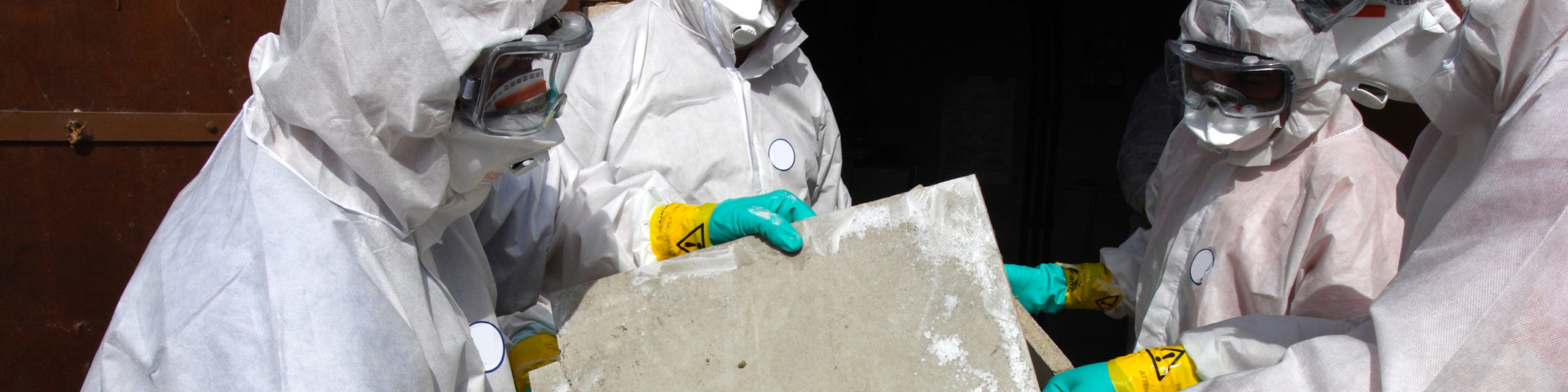
Quick answer: Mesothelioma is a rare and almost universally fatal cancer of the thin membrane lining the lungs, abdomen, heart or testes. In more than 90% of diagnosed cases, a documented history of asbestos exposure can be identified, which is why the World Health Organization, the International Agency for Research on Cancer (IARC), Safe Work Australia and the Asbestos and Silica Safety and Eradication Agency (ASSEA) all treat asbestos as the single dominant cause of the disease. The link is biological: asbestos fibres are microscopic, needle-shaped and biopersistent — once inhaled, they migrate to the pleural lining and trigger DNA damage that can express, decades later, as malignant mesothelioma. The latency from first exposure to clinical disease is typically 30 to 50 years, which is why Australia — one of the world’s highest historical per-capita consumers of asbestos — still records roughly 700 to 800 new mesothelioma cases each year in 2026, and why the disease curve will not peak until the late 2020s and 2030s. There is no cure. There is no safe level of exposure. The only intervention that works is preventing the exposure from happening, which in Melbourne and Victoria means identifying asbestos-containing materials and having them removed under licence before they are disturbed.
This guide is an evidence-based walkthrough of the science, the epidemiology and the Australian regulatory response to the most lethal disease asbestos causes — and what it means for any Melbourne or Victorian homeowner, builder, landlord or facility manager standing in front of a pre-2004 building in 2026.
Why Mesothelioma Still Defines the Asbestos Conversation in 2026
Twenty-two years after Australia’s total ban on asbestos came into force on 31 December 2003, mesothelioma remains the disease that drives public-health caution, regulatory design, insurance underwriting and licensed-removal industry standards. It is not the only disease asbestos causes — lung cancer, asbestosis, ovarian cancer, laryngeal cancer and a family of pleural diseases also belong to the list — but mesothelioma is uniquely defining for four reasons:
- It is almost exclusively caused by asbestos. Other cancers have many causes. Mesothelioma has effectively one.
- It is almost always fatal. Median survival from diagnosis is measured in months. Five-year survival sits in the single digits in Australian registries.
- It has an enormous latency. Today’s diagnosis traces back to an exposure that occurred 30 to 50 years ago — long before the person had any opportunity to do anything about it.
- It can be triggered by very short exposures. Unlike asbestosis, which is broadly dose-dependent, mesothelioma cases are documented from brief, intense exposures of the kind a homeowner can self-inflict in a single Saturday afternoon with an angle grinder.
These four properties together produce the unique public-health logic of asbestos: it must be prevented, because once disease starts, nothing in modern medicine can meaningfully reverse it.
For Melbourne and Victoria specifically — where pre-1990 housing stock dominates the inner and middle-ring suburbs, where renovation activity has run at sustained highs through the 2020s, and where the Australian Mesothelioma Registry continues to record new cases in people who never worked in a trade — this is not an abstract historical story. The fibres released by a careless DIY job in Northcote, Coburg, Footscray, Box Hill or Frankston in 2026 are the mesothelioma cases of 2056.
What Mesothelioma Actually Is
Mesothelioma is a malignant tumour of the mesothelium — the thin, single-cell-thick membrane that lines several of the body’s internal cavities and the organs inside them. The mesothelium produces a small amount of lubricating fluid that allows organs to move freely against each other; it is found in four main locations, each of which can give rise to a different form of mesothelioma.
The four anatomical forms
- Pleural mesothelioma — the most common form, accounting for roughly 80–85% of cases. It originates in the pleura, the membrane that lines the chest cavity and covers the lungs. It is what is being referred to when people simply say “mesothelioma” without qualification.
- Peritoneal mesothelioma — accounts for around 10–15% of cases. It originates in the peritoneum, the membrane that lines the abdominal cavity and covers the abdominal organs.
- Pericardial mesothelioma — extremely rare. It originates in the pericardium, the sac surrounding the heart. Fewer than 1% of cases.
- Testicular mesothelioma — the rarest form. It originates in the tunica vaginalis, the lining around the testes.
All four are aggressive cancers, all four are linked to asbestos exposure, and all four have similarly poor prognoses, though peritoneal mesothelioma in some younger patients has responded better to modern combination treatments than pleural disease.
What separates mesothelioma from other cancers
Most cancers exist somewhere on a spectrum of “rare but treatable” to “common but curable.” Mesothelioma sits in an unusual position: it is rare (which is why few clinicians outside specialist thoracic oncology centres see many cases in a career), but almost uniquely lethal, and almost uniquely traceable to a single cause. The clinical and forensic logic that runs from a tissue biopsy showing mesothelioma backwards to “this person was exposed to asbestos at some point in their working or domestic life” is one of the strongest cause-effect chains in occupational medicine.
That single-cause property is also what makes mesothelioma the engine of asbestos litigation and compensation in Australia. Where lung cancer in a smoker exposed to asbestos can be argued either way, mesothelioma is, in the medical literature, an asbestos disease unless very strong evidence indicates otherwise.
The Biological Link: How Asbestos Causes Mesothelioma
To understand why the link between asbestos and mesothelioma is so strong, you need to understand what asbestos fibres actually do once they enter the body. The mechanism is not chemical — asbestos is chemically inert in many respects — it is physical and inflammatory.
Step 1 — Inhalation
Asbestos fibres are microscopic. Many are far thinner than a human hair and behave aerodynamically — light enough to remain airborne for hours after a disturbance event, drifting on the slightest air current. When asbestos-containing material is cut, drilled, sanded, broken, water-blasted, weather-damaged or otherwise disturbed, millions of these fibres become airborne in a single short burst.
Inhaled fibres travel deep into the lungs. Their geometry — long, thin, rigid, needle-shaped — allows them to bypass the body’s normal mucociliary clearance, which evolved to deal with rounder, softer particles like pollen and dust. The fibres penetrate to the smallest airways (the bronchioles and alveoli) and beyond.
Step 2 — Migration to the pleura
Once lodged in the lung tissue, asbestos fibres can migrate through the alveolar walls into the pleural space and embed in the pleural mesothelium. This migration is one of the central reasons asbestos preferentially causes pleural disease — the fibres end up in direct, persistent contact with the mesothelial cells they will eventually transform.
For peritoneal mesothelioma, the mechanism is broadly analogous. Fibres swallowed (often from contaminated mucus cleared from the airways, or from drinking water historically contaminated by asbestos-cement pipes in some jurisdictions) migrate through the gastrointestinal wall to the peritoneal mesothelium. The dose-response relationship is less precisely characterised than for pleural disease, but the causal link is established.
Step 3 — Biopersistence
The human body has no enzymatic mechanism to dissolve asbestos fibres. Once a fibre is lodged in tissue, it can remain there for decades — in many cases, for the rest of the person’s life. This is what occupational medicine calls biopersistence, and it is the single most important difference between asbestos and almost every other respirable dust.
By contrast, organic dusts are broken down by enzymes; soluble inorganic particles dissolve over weeks or months; and the body’s macrophages can engulf and clear smaller, softer particles. Asbestos fibres resist all of these clearance pathways. The fibres that enter your lungs on a Saturday afternoon in 2026 are still there in 2046.
Step 4 — Chronic inflammation and DNA damage
A biopersistent foreign body in tissue triggers a chronic inflammatory response. Macrophages attempt — and fail — to phagocytose the fibres, releasing reactive oxygen species, growth factors and inflammatory cytokines in the attempt. Over years and decades, this chronic inflammation produces:
- Direct mechanical damage to mesothelial cells as fibres are dragged through the tissue by breathing movements.
- Oxidative DNA damage from the reactive oxygen species released by frustrated macrophages.
- Disruption of cell-cycle control through interference with mitotic spindles when fibres are pulled into dividing cells.
- Chromosomal abnormalities that accumulate in mesothelial cells over time.
Step 5 — Malignant transformation
In a proportion of exposed individuals — not all, which is why mesothelioma rates among exposed cohorts are typically expressed as cumulative lifetime incidence rather than certainty — these accumulated genetic insults eventually produce a malignant clone of mesothelial cells. The transformed cells begin to grow uncontrollably, invade local tissue and, ultimately, present clinically as mesothelioma.
The interval between Step 1 (inhalation) and Step 5 (clinical disease) is typically 30 to 50 years. There is no point in that interval at which the person has any awareness that the process is underway.
Why the link is biologically specific
Several lines of evidence make the link between asbestos and mesothelioma unusually strong by the standards of occupational cancer:
- Animal studies consistently produce mesothelioma in experimental animals exposed to all three commercially-used asbestos types (chrysotile, amosite, crocidolite).
- Epidemiological cohorts of asbestos miners, millers, manufacturers, end-users and family members consistently show mesothelioma incidence dramatically elevated above background population rates.
- Geographic clustering of mesothelioma cases tracks the historical distribution of asbestos use — Wittenoom in Western Australia is the most extreme Australian example, but smaller clusters exist around asbestos cement factories, naval shipyards and asbestos cement pipe manufacturing sites worldwide.
- Mineralogical evidence in autopsy and surgical samples — asbestos fibres can be identified and quantified in mesothelioma tissue, often decades after the original exposure.
Mesothelioma is, by the standards of modern occupational medicine, a signal disease — a cancer whose presence almost always indicates a specific exposure history.
The Three Asbestos Types and Their Mesothelioma Risk
All commercially-used forms of asbestos cause mesothelioma. They are not, however, equally potent.
| Asbestos type | Common name | Mesothelioma potency | Where it appears in Australian buildings |
|---|---|---|---|
| Crocidolite | Blue asbestos | Highest | Spray-on insulation, some cement products, pipe lagging, mined extensively at Wittenoom |
| Amosite | Brown asbestos | High | Insulation board, ceiling tiles, some pipe lagging |
| Chrysotile | White asbestos | Lower but unambiguous | Cement sheeting, vinyl tiles, brake linings, roofing — by far the most common in Australian residential buildings |
The relative potency ranking has practical consequences but should not be mistaken for “chrysotile is safe.” All three forms are classified by IARC as Group 1 human carcinogens — the highest tier of evidence for cancer-causing agents in humans. The Australian Government, Safe Work Australia, WorkSafe Victoria and ASSEA all treat all three types as carcinogenic without distinction for regulatory purposes.
In Australian residential buildings — the dominant source of third-wave exposure in 2026 — chrysotile is by far the most common form encountered, primarily in asbestos cement sheeting and “Super Six” roofing. Crocidolite and amosite are more often encountered in commercial, industrial and institutional settings, particularly in insulation, lagging and acoustic boards. Distinguishing them requires laboratory analysis under AS 5370:2024 — visual identification is not reliable and is not legally sufficient.
For a deeper walkthrough of the materials and where they appear in Victorian buildings, see our companion guides on Friable vs Non-Friable Asbestos: Key Differences Explained and Signs Your Building May Contain Asbestos.
How Much Exposure Causes Mesothelioma? The Dose Question
This is the question homeowners most frequently ask, usually phrased as: “I was only exposed for a few hours — surely that’s not enough to matter?”
The honest answer from the medical literature is uncomfortable: there is no established safe threshold of asbestos exposure for mesothelioma, and documented cases exist of mesothelioma developing after relatively brief, intense exposures. The reasons are biological:
- Mesothelioma can in principle be initiated by relatively few fibres lodging in the pleura. There is no “minimum dose” below which the carcinogenic process is impossible.
- A short, intense exposure to a high concentration of fibres — for example, cutting a single fibro sheet with an angle grinder for an hour on a Saturday morning — can deliver more fibres into the lungs than years of low-level background exposure.
- Once fibres are lodged in tissue, they do not leave. The dose accumulates over a lifetime.
That said, the dose-response relationship is real, and higher cumulative exposures produce higher mesothelioma incidence rates. Wittenoom workers in the 1950s and 1960s, who were exposed to fibre concentrations many orders of magnitude above any modern workplace standard, have mesothelioma incidence rates so high that they have become a defining cohort in international occupational medicine literature.
The practical implication for a Melbourne homeowner in 2026 is not that every brief exposure will inevitably cause mesothelioma — most will not — but that no exposure is genuinely “safe”, and the only way to manage the risk to zero is to avoid the disturbance event in the first place. This is the entire rationale for the licensed-removal framework under the OHS Regulations 2017 (Vic).
For the legal framing of the under-10m² DIY exemption, the realistic costs of doing it yourself, and why most homeowners are still better off using a licensed contractor, see our companion guide on DIY vs Professional Asbestos Removal: Risks, Laws & Costs.
The Latency Problem: Why Mesothelioma Is the Worst-Case Scenario
The single property of mesothelioma that makes it most insidious — and the property that makes asbestos prevention so unusually high-stakes — is its latency.
| Asbestos-related disease | Typical latency from first exposure |
|---|---|
| Benign asbestos pleural effusion | 5 – 20 years |
| Asbestosis | 10 – 40 years |
| Lung cancer | 20 – 40 years |
| Mesothelioma | 30 – 50 years |
| Pleural plaques (radiologic marker) | 10 – 30+ years |
This 30–50 year gap between exposure and clinical disease has three profound consequences for how the disease can be managed and prevented.
Consequence 1 — No on-the-spot feedback
A homeowner who cuts a fibro sheet with an angle grinder on a Saturday morning in 2026 feels nothing that afternoon. Nothing the next day. Nothing the next year. Nothing in 2036. The exposure produces no signal. The biological process that is, in some proportion of cases, running silently towards mesothelioma in 2056 has no symptomatic warning system.
This is fundamentally different from how most occupational hazards work. A worker who picks up a hot pipe feels a burn instantly and adjusts their behaviour. A worker who cuts asbestos with a power tool feels nothing, and the absence of feedback is precisely what makes the behaviour repeat.
Consequence 2 — Prevention is the only intervention
There is no medical treatment that can remove asbestos fibres from lung tissue once lodged. There is no antidote. There is no chelation therapy, no enzyme replacement, no early-intervention drug. Imaging can identify markers of past exposure — pleural plaques on a chest X-ray or high-resolution CT — but no imaging can remove the fibres or prevent the malignant transformation that may, decades later, follow.
This is why every element of Australian asbestos regulation — the licensing system, the pre-works survey requirement, the Asbestos Removal Control Plan, the WorkSafe notification, the wet-method requirement, the EPA-tracked disposal, the Regulation 297 clearance certificate — is built around prevention of the exposure. Once exposure occurs, the regulatory and medical systems have effectively no further levers to pull.
Consequence 3 — Today’s exposures produce diseases decades from now
The disease curve Australian oncologists are treating in 2026 reflects exposures that occurred between roughly 1976 and 1996. The disease curve that will be treated in 2056 reflects exposures occurring now. This means:
- The 2003 ban has not yet shown its full benefit in the disease statistics, and will not for decades.
- The “third wave” of DIY-renovator mesothelioma is still building, with peak incidence expected in the 2030s and 2040s.
- Every careless renovation in 2026 contributes to the disease curve of 2056, regardless of whether the renovator or their family ever connects the two.
For an honest assessment of what the disease landscape looks like in Australia today and how it is tracked, the Australian Institute of Health and Welfare and the Australian Mesothelioma Registry publish annual data which has consistently shown one of the world’s highest per-capita mesothelioma incidence rates.
Mesothelioma in Australia: The Statistics That Define the Public-Health Response
Australia has one of the highest age-standardised incidence rates of mesothelioma in the world, and Victoria sits squarely within that statistic. The reasons are historical: Australia was, per capita, one of the largest consumers of asbestos products globally from the 1940s through the 1980s, and the disease curve is still working through that legacy.
The current Australian picture (as at 2026) includes:
- Approximately 700 to 800 new mesothelioma diagnoses each year nationally, according to the Australian Mesothelioma Registry and AIHW data.
- Approximately 4,000 Australians die every year from asbestos-related diseases overall — more than the national road toll — of which mesothelioma is a major component.
- Median age at diagnosis is in the mid-70s, reflecting the long latency from typical occupational and second-wave exposure decades earlier.
- Male-to-female ratio is heavily skewed male (roughly 4–5:1 in older cohorts), reflecting historical occupational exposure patterns. The ratio is narrowing in younger cohorts as third-wave home-renovation cases include more women and as take-home exposure cases (historically affecting wives and daughters of asbestos workers) continue to be diagnosed.
- Five-year survival sits in the single digits for pleural mesothelioma despite modern combination therapy.
Wittenoom and the first wave
The town of Wittenoom in Western Australia is the most documented Australian asbestos disease cluster. A crocidolite (blue asbestos) mining and milling operation active from 1943 to 1966, Wittenoom exposed workers, their families and the broader township to extreme fibre concentrations. The town has been progressively closed, degazetted and removed from maps, and the disease toll from Wittenoom alone runs into the thousands and continues to climb decades after the mine closed.
Wittenoom defines the upper end of the dose-response curve in Australian mesothelioma epidemiology. The cases tell us, with unusual precision, what extreme cumulative crocidolite exposure does to a population — and they are why crocidolite is regulated more stringently than the other forms despite all three being Group 1 carcinogens.
The three waves
Australian occupational health researchers describe asbestos disease as occurring in three distinct epidemiological waves:
- First wave — miners, millers and manufacturers (peaking from the 1980s into the 2000s). Wittenoom, asbestos cement factory workers, asbestos product manufacturers. Largely concluding as the original cohort ages out.
- Second wave — tradespeople and end-users (peaking from the 2000s into the late 2020s and 2030s). Carpenters, plumbers, electricians, builders, shipwrights, brake mechanics. Still in full progression.
- Third wave — home renovators and DIY enthusiasts (peaking in the 2030s and 2040s). People who were never in an asbestos-related trade and who were exposed during home renovations, demolitions and weekend project work on pre-2004 housing stock. This is the wave that is being created right now, in every uncontrolled disturbance of legacy ACM in suburban Melbourne and regional Victoria.
The Australian Mesothelioma Registry now specifically tracks mesothelioma cases in people with no occupational asbestos history, and the proportion has been rising. The third wave is no longer hypothetical — it is being measured in current case counts.
For the broader medical and epidemiological picture across all asbestos-related diseases (not just mesothelioma), see our deep-dive The Health Risks of Asbestos Exposure: What the Science Says.
Who Is at Risk of Mesothelioma in Melbourne in 2026?
The honest answer is broader than most homeowners assume. Mesothelioma risk is not confined to people who personally worked with asbestos — the disease pathway extends to several distinct exposure cohorts.
Direct occupational exposure
The classic, highest-dose pathway. Includes:
- Trades who worked with asbestos before the 2003 ban — carpenters, plumbers, electricians, builders, shipwrights, boilermakers, brake mechanics, lagging installers.
- Workers today who handle legacy ACM without proper controls — demolition labourers, roofers, telecommunications technicians, HVAC technicians, electricians working on pre-2004 commercial fit-outs.
- Asbestos miners and millers (first-wave Wittenoom cohort and the smaller cohorts at other Australian asbestos sites).
Para-occupational (take-home) exposure
Asbestos fibres travel on clothing, hair, tools and vehicles. The well-documented historical cohort is the wives and daughters of asbestos workers, who shook out and washed contaminated work clothing in the 1950s through the 1980s and developed mesothelioma decades later.
That same pathway has not disappeared — it has simply moved into DIY households. The husband who spends Saturday cutting fibro on the driveway, then comes inside, hugs the kids, sits on the couch and tracks fibres through the house, has produced exactly the take-home exposure pattern that has been killing spouses of asbestos workers for half a century. The risk has not changed; the demographics of who is doing the exposing have.
Bystander and environmental exposure
Children playing in a yard where fibro fencing was recently smashed; neighbours downwind of a careless renovation; the courier who walks across an active worksite. These exposures are lower in concentration than direct occupational exposure but are not zero. The “no safe level” principle applies here too.
Communities near historical asbestos mines, asbestos cement factories and illegal asbestos dumps have shown elevated mesothelioma rates in residents who never worked with the material directly. On a smaller residential scale, the same dynamic applies: fibres do not respect property boundaries.
Third-wave DIY renovator exposure
The category most relevant to Melbourne homeowners in 2026. People with no occupational asbestos history who became exposed during home renovations, demolitions and weekend project work on pre-2004 housing stock. Their exposure was typically:
- Short in duration but intense in concentration — a single day of power-tool work on fibro can produce a fibre dose comparable to weeks of low-level occupational exposure.
- Undertaken without controls — no respirator, no wet methods, no containment, no decontamination.
- Often shared with family members present during the work or living in the contaminated dwelling afterwards.
For Melbourne specifically — where renovation of inner and middle-ring pre-1990 housing stock (Northcote, Coburg, Reservoir, Brunswick, Footscray, Sunshine, Box Hill, Caulfield, Bentleigh, Oakleigh, Heidelberg, Pascoe Vale, Dandenong, Frankston) has been a defining feature of the property market for two decades — the third-wave risk is acute. Every weekend, pre-1990 houses are being opened up by owner-builders, and a meaningful percentage of those projects involve disturbance of asbestos.
For first-home buyers, upgraders and renovators looking at pre-1990 stock, the right time to address this risk is before the contract goes unconditional. See our companion guide Asbestos Removal in Older Homes: What Pre-1990 Buyers Need to Know for the full pre-purchase pathway.
Inherited latent exposure from past DIY work
A category that is under-discussed but increasingly important. A house renovated by a previous owner without controls may have residual asbestos contamination in the roof cavity, sub-floor, ducting or yard soil. The current occupants — and their tradespeople, and any future buyers — inherit that exposure risk without any record of what was done or when.
This is precisely why a clearance certificate issued by an independent competent person under Regulation 297 of the OHS Regulations 2017 (Vic) is so important. It is the only document that closes off the question for future occupants, insurers and purchasers — and it is one of the most powerful pieces of documentation a Victorian property can carry.
Symptoms, Diagnosis and Why You Cannot Self-Diagnose
Symptoms of mesothelioma typically appear decades after exposure and are not specific to mesothelioma — which is part of why diagnosis is often delayed.
Common presenting symptoms
Pleural mesothelioma (the most common form):
- Persistent shortness of breath, particularly on exertion
- Chest pain or chest tightness
- Persistent dry cough
- Pleural effusion (fluid around the lungs) detected on imaging
- Unexplained weight loss
- Fatigue
- Night sweats
Peritoneal mesothelioma:
- Abdominal pain or swelling
- Ascites (fluid build-up in the abdomen)
- Loss of appetite, nausea
- Unexplained weight loss
- Bowel habit changes
These symptoms can equally indicate many other respiratory, cardiac and gastrointestinal conditions. Most patients are not initially worked up for mesothelioma — they are worked up for the differential diagnoses (pneumonia, heart failure, lung cancer, ovarian cancer, abdominal malignancy of other origin). Mesothelioma is often the last diagnosis to be considered.
How mesothelioma is diagnosed
Definitive diagnosis of mesothelioma typically requires:
- A detailed occupational and exposure history, often going back forty or fifty years. The patient’s recollection of long-past work, home renovations and family circumstances becomes a critical piece of evidence.
- Imaging — chest X-ray initially, then high-resolution CT scan, often followed by PET-CT for staging. Imaging may show pleural thickening, pleural effusion, pleural plaques (a marker of past exposure rather than disease itself), or, in peritoneal cases, peritoneal thickening and ascites.
- Cytology of pleural or peritoneal fluid drawn off by thoracentesis or paracentesis. Cytology alone is often inconclusive for mesothelioma.
- Tissue biopsy — the definitive diagnostic step. Usually obtained via VATS (video-assisted thoracoscopic surgery) for pleural cases or laparoscopy for peritoneal cases. Specialist mesothelioma pathology, including immunohistochemistry, is essential because mesothelioma can be morphologically confused with adenocarcinoma and other tumour types.
The point of including this level of detail in a public-health context is to make a single practical point clear: there is no test you can do at home, and there is no early screening program available to the general public, because the disease has no early-stage symptoms and no biomarker reliable enough for screening. If you are concerned about a past exposure, the appropriate step is to see your GP and provide a detailed exposure history — not to assume that absence of symptoms means absence of risk.
By the time symptoms appear, the exposure that caused them is long past. The decision that matters happens before the disturbance event, not after.
Treatment and Prognosis: Why the Outlook Drives the Prevention Logic
Modern mesothelioma treatment has improved over the past two decades, but it is still measured against a brutally low baseline.
Treatment modalities
Standard mesothelioma management combines, where the patient’s stage and fitness allow:
- Surgery — including extrapleural pneumonectomy (EPP), pleurectomy/decortication (P/D) for pleural disease, and cytoreductive surgery with HIPEC (heated intraperitoneal chemotherapy) for selected peritoneal cases.
- Chemotherapy — historically pemetrexed plus cisplatin or carboplatin as the standard first-line combination.
- Radiotherapy — for palliation of chest wall pain and, in some protocols, as part of multi-modality treatment.
- Immunotherapy — combination immune checkpoint inhibitor therapy (nivolumab plus ipilimumab) has, in the past several years, become a first-line option for unresectable pleural mesothelioma in Australia and has improved median survival in clinical trials.
- Clinical trials — Australian patients have access to ongoing trial programs through major cancer centres, and enrolment in trials is often appropriate.
What survival actually looks like
Despite these treatment options, median overall survival from diagnosis of pleural mesothelioma sits in the range of 12 to 24 months for most patients, depending on stage, histological subtype and treatment received. Peritoneal mesothelioma treated with cytoreductive surgery plus HIPEC in selected younger patients can achieve longer median survival, but this is the exception rather than the rule. Five-year survival across all mesothelioma cases combined is in the single digits.
These numbers are not improving as quickly as for many other cancers, and they explain why every reputable Australian medical, public-health and regulatory authority — Cancer Council Australia, ASSEA, Safe Work Australia, WorkSafe Victoria, the AIHW — frames the public response around prevention rather than treatment. The treatment landscape simply does not, in 2026, offer a second chance after exposure.
Compensation and legal recourse
For Australians diagnosed with mesothelioma, compensation pathways exist through state workers’ compensation schemes, the WA-based Asbestos Diseases Compensation Fund and various trust funds established by historical asbestos manufacturers. The Compensation (Asbestos-Related Diseases) Act equivalents in each state, the federal Comcare scheme, and various dust diseases tribunals process claims, often with the assistance of specialist asbestos disease lawyers.
Compensation does not, of course, treat the disease. It exists because the courts have repeatedly found that the historical commercial use of asbestos was knowingly negligent and that compensation is owed to victims and their families. The existence of the compensation infrastructure should not be read as a comforting safety net — it is a measure of the historical scale of the harm.
What This Means for Melbourne Property Owners in 2026
The biological and epidemiological story above translates into a relatively simple set of practical implications for anyone owning, buying, renovating, selling or managing a pre-2004 building in Melbourne or Victoria.
Implication 1 — Assume pre-1990 buildings contain asbestos until proven otherwise
Roughly 1 in 3 Australian homes built before 1990 contains some form of asbestos-containing material. Across Melbourne’s inner and middle-ring suburbs — Brunswick, Northcote, Coburg, Preston, Reservoir, Fitzroy, Collingwood, Carlton, Hawthorn, Kew, Camberwell, Balwyn, Box Hill, Footscray, Yarraville, Sunshine, Maribyrnong, St Kilda, Brighton, Sandringham, Mentone, Glen Iris, Malvern, Caulfield, Bentleigh, Cheltenham, Carnegie, Oakleigh, Clayton, Heidelberg, Ivanhoe, Eltham, Pascoe Vale, Dandenong and Frankston — that proportion runs higher. Buildings constructed between roughly 1945 and 1985 are the highest-probability cohort.
The correct default position is to assume asbestos is present and treat the question as “where and how much,” not “whether.”
Implication 2 — Do not disturb suspect materials without identification
The disturbance event is the moment that converts a low-immediate-risk situation (intact asbestos in good condition) into a high-risk situation (millions of airborne fibres). Cutting, drilling, sanding, water-blasting, smashing or pulverising suspect materials without prior identification and proper controls is the single most consistent cause of third-wave mesothelioma exposure.
The right sequence is always: identify first, then plan, then remove under controlled conditions. Visual identification is not sufficient — under Victorian law, identification of an unknown material requires a NATA-accredited bulk sample analysed under AS 5370:2024.
For the pre-renovation legal framework and inspection process, see our companion guide Do I Need an Asbestos Inspection Before Renovating in Melbourne?.
Implication 3 — Remove under licence, not informally
For any non-friable asbestos work exceeding 10 square metres anywhere in Victoria, you are legally required to use a WorkSafe Victoria licensed Class B (or Class A) asbestos removalist. Even within the under-10m² exemption, WorkSafe Victoria strongly recommends licensed removal, most Melbourne councils expect it as a permit condition, and the cost saving of doing it yourself is typically smaller than homeowners expect once disposal, PPE, hire equipment and risk are properly costed.
For the honest financial and legal comparison, see DIY vs Professional Asbestos Removal: Risks, Laws & Costs and How to Choose a Licensed Asbestos Removalist in Australia.
Implication 4 — Protect the family, not just yourself
The take-home exposure pathway means that mesothelioma risk does not stop at the boundary of the person doing the work. Spouses, children, pets and future occupants can all inherit fibre exposure from a single uncontrolled disturbance event. Children are particularly vulnerable because of their longer life expectancy and the long latency of mesothelioma — a 5-year-old exposed in 2026 is well within the 30–50 year latency window in the second half of their life.
This is the single most powerful argument for licensed removal in a residential context. The decision is not just about the homeowner’s own risk profile — it is about the people sleeping in the house that night.
Implication 5 — Document what was done
A licensed Class B removal in Victoria generates a documentation pack — licence, ARCP, SWMS, WorkSafe notification, EPA disposal manifests and an independent Regulation 297 clearance certificate — that becomes part of the property’s permanent record. For any future buyer, insurer, tenant, council inspector or conveyancer, that documentation is the single most powerful piece of evidence that the property has been properly remediated. For vendors selling pre-1990 stock, it is also one of the most marketable features a property can carry.
For the vendor’s perspective, see Can You Sell a House With Asbestos in Australia?.
The Victorian Regulatory Framework — How Prevention Actually Works
The science of mesothelioma has produced, in Victoria, one of the more comprehensive regulatory frameworks for asbestos in the world. Every element of it exists because the underlying disease landscape gives the system no second chances.
The OHS Act 2004 and OHS Regulations 2017 (Vic), Part 4.4
Part 4.4 of the OHS Regulations 2017 (Vic) is the operational rulebook for asbestos work in Victoria. Provisions most directly relevant to mesothelioma prevention include:
- Identification — the duty to identify, or assume the presence of, asbestos in any workplace where it may be present.
- Asbestos Registers and Asbestos Management Plans — mandatory documentation for any commercial workplace built before 31 December 2003 (Regulations 422–429).
- Licensing of removalists — Class A for friable, Class B for non-friable, with strict prohibition on unlicensed work beyond the under-10m² residential exemption.
- Asbestos Removal Control Plans (ARCPs) and Safe Work Method Statements (SWMS) — required for every licensed removal job.
- Notification — five clear days to WorkSafe Victoria before any licensed asbestos removal commences.
- Wet methods and engineering controls — fibre suppression at source, not just reliance on PPE.
- Clearance certificates — Regulation 297 requires an independent competent person to verify the area is safe to re-occupy after removal.
Environment Protection Act 2017 (Vic) and EPA Regulations 2021
Once removed, asbestos waste is governed by EPA Victoria as Reportable Priority Waste. Provisions include:
- Double-wrapping in 200-micron polyethylene, sealed and labelled.
- Transport by EPA-permissioned vehicles.
- Disposal at an EPA-licensed landfill authorised to receive asbestos.
- Movement tracking through the EPA Waste Tracker system, with manifests retained for compliance and audit.
Why every step matters for mesothelioma prevention
Each element of the framework attacks a specific point in the exposure chain that leads, decades later, to mesothelioma:
- Identification and registers ensure the material is known before it is disturbed.
- Licensing ensures the people doing the work are trained, equipped and accountable.
- ARCPs and wet methods suppress fibre release at the point of disturbance.
- PPE and decontamination prevent take-home exposure to family members.
- WorkSafe notification creates an audit trail and triggers potential inspection.
- EPA-tracked disposal prevents downstream environmental exposure of waste handlers, landfill workers and future site occupants.
- Clearance certificates verify the site is safe for re-occupation and protect future occupants from inherited contamination.
The framework is comprehensive precisely because the disease landscape behind it offers no fallback intervention. Every step exists to prevent fibres from reaching a future person’s pleura.
For the full Victorian compliance picture, see our deep-dive Asbestos Regulations and Legal Requirements in Australia.
How Asbestos Gone and Clean Prevents the Next Mesothelioma Case
We are a Melbourne-based WorkSafe Victoria licensed Class B (non-friable) asbestos removalist and demolition contractor servicing all of Greater Melbourne and regional Victoria. Every job we take on is structured around a single underlying purpose: to prevent the fibre release that creates mesothelioma cases thirty to fifty years from now.
In practical terms, that means:
- No assumptions — suspect material is sampled and tested at a NATA-accredited laboratory under AS 5370:2024. We do not “eyeball” identification.
- No power tools on ACM — all removal uses hand methods and wet techniques to suppress fibres at source.
- Engineered controls, not just PPE — H-class hazardous-dust vacuums, P2/P3 respirators, sealed enclosures where required, decontamination units, and full PPE on every job. PPE is the last line of defence; engineering controls are the first.
- Five-day WorkSafe Victoria notification for all licensed work.
- EPA-tracked transport and disposal as Reportable Priority Waste, double-wrapped in 200-micron polyethylene, sealed and labelled, to an EPA-licensed landfill authorised to receive asbestos.
- Independent clearance certificate under Regulation 297 before any re-occupation or mechanical demolition.
- Full documentation pack — licence, ARCP, SWMS, notification, manifests, disposal receipts and clearance certificate — handed to you for your records, your insurer and any future buyer due diligence.
- Honest classification — if any portion of the material is friable (and therefore a Class A scope), we tell you on day one and coordinate a Class A specialist under one project manager. Friable material — pipe lagging, sprayed insulation, degraded board — is the highest mesothelioma-risk category of legacy asbestos in Australian buildings and is regulated differently for a reason.
For builders, developers and owner-builders, we run integrated asbestos removal and demolition under one ABN, eliminating the program gap that is the single biggest cause of cost overruns and exposure incidents on pre-2004 demolition sites.
For the broader picture of how our Class B service works across Melbourne, see our service-page guide Asbestos Removal Melbourne: Local Regulations & Licensed Teams.
Frequently Asked Questions
What is the link between mesothelioma and asbestos?
Mesothelioma is a malignant cancer of the mesothelial lining of the lungs, abdomen, heart or testes, and asbestos is the dominant cause. In more than 90% of diagnosed mesothelioma cases, a documented history of asbestos exposure can be identified. The link is biological: inhaled asbestos fibres migrate to the pleural lining, lodge there for decades, trigger chronic inflammation and DNA damage, and in a proportion of exposed individuals produce malignant transformation of mesothelial cells. All forms of asbestos are classified as Group 1 human carcinogens by IARC.
Can asbestos cause mesothelioma after only a short exposure?
Yes. Documented cases exist of mesothelioma developing after relatively brief but intense exposures. There is no medically established minimum dose below which the carcinogenic process is impossible — mesothelioma can in principle be initiated by relatively few fibres lodging in the pleura. A short, intense exposure such as cutting a single fibro sheet with a power tool can deliver a substantial fibre dose into the lungs in a single afternoon.
How long does it take for mesothelioma to develop after asbestos exposure?
The typical latency period for mesothelioma is 30 to 50 years from first exposure. This is one of the longest latencies in occupational medicine. A homeowner exposed during a 2026 renovation may not be diagnosed until 2056 to 2076. The latency means there is no on-the-spot warning and no early intervention — by the time symptoms appear, the exposure that caused them is decades in the past.
Is mesothelioma curable in Australia in 2026?
Currently, no. Treatment combining surgery, chemotherapy, radiotherapy and immunotherapy (including immune checkpoint inhibitor combinations) can extend survival and improve quality of life, but median survival from diagnosis of pleural mesothelioma remains measured in months rather than years for most patients. Five-year survival across all mesothelioma cases sits in the single digits. Research is ongoing, but as of 2026 there is no curative treatment in routine clinical use. This is why public-health messaging emphasises prevention so heavily.
Which type of asbestos causes mesothelioma?
All three commercially-used types — chrysotile (white), amosite (brown) and crocidolite (blue) — cause mesothelioma. Crocidolite is generally regarded as the most potent for mesothelioma induction, but chrysotile (the form most commonly found in Australian residential building products) is unambiguously carcinogenic. The Australian Government, Safe Work Australia and WorkSafe Victoria all treat all three as Group 1 carcinogens without distinction for regulatory purposes. There is no “safe” form of asbestos.
What are the symptoms of mesothelioma?
Symptoms of pleural mesothelioma include persistent shortness of breath, chest pain or tightness, persistent dry cough, pleural effusion (fluid around the lungs), unexplained weight loss, fatigue and night sweats. Symptoms of peritoneal mesothelioma include abdominal pain or swelling, ascites (fluid in the abdomen), loss of appetite, nausea and unexplained weight loss. Both forms typically present decades after exposure and can resemble many other respiratory, cardiac or gastrointestinal conditions, which is part of why diagnosis is often delayed.
How many people get mesothelioma in Australia each year?
Australia records approximately 700 to 800 new mesothelioma diagnoses per year as at 2026, according to the Australian Mesothelioma Registry and the Australian Institute of Health and Welfare. Australia has one of the highest age-standardised mesothelioma incidence rates in the world, a direct legacy of decades of high per-capita asbestos consumption between the 1940s and 1980s. Approximately 4,000 Australians die every year from asbestos-related diseases overall — more than the national road toll.
Can my family get mesothelioma from my DIY renovation work?
Yes. Asbestos fibres travel on skin, hair, clothing, tools and vehicles, and the take-home (para-occupational) exposure pathway has been documented since the 1950s. Historically, it produced mesothelioma in the wives and daughters of asbestos workers who shook out and washed contaminated clothing. The same pathway now operates in DIY households where renovators carry fibres into the family home. Children are particularly vulnerable because of their longer life expectancy and the long latency of mesothelioma.
Does undisturbed asbestos in good condition cause mesothelioma?
Undisturbed asbestos in good condition releases very few fibres and is generally regarded as a low-immediate-risk situation. The risk arises when the material is disturbed — cut, drilled, sanded, broken, water-blasted or weather-damaged — and fibres become airborne. However, materials degrade over time, weather damage accumulates, and the risk profile of legacy asbestos rises rather than falls as the building stock ages. The Asbestos National Strategic Plan 2024–2030 has shifted Australian policy towards proactive removal for precisely this reason.
Is there a medical test that detects past asbestos exposure or early mesothelioma?
There is no blood test or screening test that reliably detects past asbestos exposure or early-stage mesothelioma. Imaging (chest X-ray, high-resolution CT) can show pleural plaques and other markers that indicate prior exposure, but the absence of these findings does not rule it out. There is no general-population screening program for mesothelioma because no test currently meets the sensitivity and specificity required. Diagnosis typically requires symptoms to prompt imaging, followed by cytology and tissue biopsy with specialist mesothelioma pathology.
Can I claim compensation in Victoria if I’m diagnosed with mesothelioma?
Yes — compensation pathways exist for Australians diagnosed with mesothelioma, including state workers’ compensation schemes, the federal Comcare scheme, dust diseases tribunals, and trust funds established by historical asbestos manufacturers. Compensation is typically pursued with the assistance of specialist asbestos disease lawyers, and Victorian claims are often coordinated through the Dust Diseases Authority equivalents and the Victorian Civil and Administrative Tribunal (VCAT) or relevant courts. This article is general information and is not legal advice — consult a specialist asbestos disease lawyer for advice on a specific case.
What’s the most important thing I can do to prevent mesothelioma in my family?
Identify legacy asbestos in your property before any renovation, demolition or maintenance work that could disturb it, and have it removed under a WorkSafe Victoria licensed Class B (or Class A for friable) contractor. Do not cut, drill, sand, smash or water-blast suspect materials without prior NATA-accredited identification under AS 5370:2024. The disturbance event is the moment that converts a low-risk situation into a high-risk one. Prevention of the disturbance is the only intervention modern medicine offers — and it is genuinely effective.
The Bottom Line: The Link Defines the Response
The link between mesothelioma and asbestos is among the strongest single-cause relationships in occupational medicine. In more than 90% of cases, a documented exposure history can be identified. The biological mechanism — biopersistent fibres lodging in the pleura, triggering decades of inflammation and DNA damage — is well-characterised. The dose-response relationship is real but uncapped at the low end: there is no safe threshold. The latency is enormous: today’s exposure produces tomorrow’s diagnosis, thirty to fifty years from now. There is no cure.
That combination of properties is what makes asbestos different from almost every other building hazard, and it is what justifies the comprehensive Victorian regulatory framework built around licensed removal, controlled disturbance, sealed waste handling and EPA-tracked disposal.
For a Melbourne or Victorian property owner standing in front of a pre-2004 building in 2026, the practical implication is simple. The single most consequential decision you make is not what to do after a disturbance event. It is whether the disturbance event happens at all. Identifying asbestos before you renovate, demolish, maintain or sell, and having it removed under licence by a competent contractor, is the only intervention available — and it is genuinely effective.
The 700 to 800 Australians diagnosed with mesothelioma in 2026 were exposed decades ago. The 700 to 800 who will be diagnosed in 2056 are being exposed right now, by every uncontrolled disturbance of legacy ACM in suburban Melbourne and regional Victoria. The way to stop that statistic is to identify, plan and remove — every time, properly, under licence.
Get a Compliant Class B Asbestos Removal Quote in Melbourne or Victoria
Asbestos Gone and Clean is a Melbourne-based WorkSafe Victoria licensed Class B (non-friable) asbestos removalist and demolition contractor servicing every metropolitan suburb and most of regional Victoria — from the inner-north (Brunswick, Northcote, Coburg, Preston, Reservoir, Thornbury, Fitzroy, Collingwood, Carlton, Thomastown), the inner-east (Hawthorn, Kew, Camberwell, Balwyn, Canterbury, Surrey Hills, Box Hill, Doncaster, Templestowe), the outer-east (Mitcham, Vermont, Ringwood, Boronia, Ferntree Gully, Knoxfield, Rowville, Croydon, Mooroolbark, Lilydale, Healesville, Belgrave, Upwey, Emerald, Olinda, Mount Dandenong), the inner-west (Footscray, Yarraville, Sunshine, Maribyrnong, Williamstown, Newport, Spotswood, Tottenham, Brooklyn), bayside (St Kilda, Brighton, Sandringham, Mentone, Mordialloc, Hampton, Black Rock, Beaumaris), the south-east (Glen Iris, Malvern, Caulfield, Bentleigh, Cheltenham, Carnegie, Murrumbeena, Oakleigh, Clayton, Springvale, Dandenong, Berwick, Cranbourne), the north-east (Heidelberg, Ivanhoe, Greensborough, Eltham, Diamond Creek, Hurstbridge) and out through the growth corridors of Wyndham, Casey, Cardinia, Whittlesea, Hume, Melton and Mitchell to Geelong, Ballarat, Bendigo, Shepparton, Wodonga, Warrnambool, the Mornington Peninsula, the Yarra Valley, the Latrobe Valley, the Goulburn Valley and Gippsland.
Every job we take on includes:
- A free, no-obligation on-site inspection and fixed-price written quote.
- A copy of our current WorkSafe Victoria Class B asbestos removal licence.
- A Certificate of Currency for public liability and asbestos-specific insurance.
- A site-specific Asbestos Removal Control Plan (ARCP) and Safe Work Method Statement (SWMS).
- NATA-accredited bulk sampling under AS 5370:2024 where required.
- Five-day WorkSafe Victoria notification lodged on your behalf.
- EPA Waste Tracker disposal at an EPA-licensed landfill, with manifests and tip receipts provided.
- Independent Regulation 297 clearance certificate before re-occupation.
- A complete digital and hard-copy documentation pack delivered on project close-out.
If your job is non-friable, we complete it end-to-end. If any portion of the material is friable, we tell you on day one — not on demolition day — and coordinate a Class A specialist for that scope under one project manager. And because we run asbestos removal and demolition under one ABN, you don’t lose program time waiting for two contractors to align diaries.
☎ Call us: 0475 143 106
✉ Email: asbestosgoneandclean@gmail.com
???? Contact Us: Asbestos Gone and Clean – Contact
Free site inspection. Transparent fixed-price quote. Full documentation pack delivered on completion.
Related Reading
- The Health Risks of Asbestos Exposure: What the Science Says — the broader medical and epidemiological picture across all asbestos-related diseases, including lung cancer, asbestosis, ovarian and laryngeal cancers, and non-malignant pleural disease.
- Friable vs Non-Friable Asbestos: Key Differences Explained — the underlying classification that drives the Class A vs Class B split and which mesothelioma exposure pathways are most relevant for each.
- Asbestos Regulations and Legal Requirements in Australia — the full Victorian regulatory framework that sits behind licensed removal, including the OHS Act 2004, OHS Regulations 2017, EPA Act 2017 and the Asbestos National Strategic Plan 2024–2030.
- Do I Need an Asbestos Inspection Before Renovating in Melbourne? — the legal trigger points, the inspection process, and why pre-works identification is the single most cost-effective intervention.
- DIY vs Professional Asbestos Removal: Risks, Laws & Costs — the honest, no-spin breakdown of the 10m² rule and the real cost of doing it yourself.
- How to Choose a Licensed Asbestos Removalist in Australia — how to verify a Class B licence on the WorkSafe Victoria public register and what to expect from a competent removalist.
- Asbestos Removal in Older Homes: What Pre-1990 Buyers Need to Know — the pre-purchase pathway for buyers looking at pre-1990 Melbourne and Victorian housing stock.
- What to Do If You Disturb Asbestos During Renovation in Melbourne — the emergency response when something has already gone wrong.
- Can You Sell a House With Asbestos in Australia? — the vendor’s perspective on disclosure, Section 32, pre-sale removal and market pricing.
- Asbestos Removal Melbourne: Local Regulations & Licensed Teams — our core service page covering Class B removal across Greater Melbourne and regional Victoria.
Sources and Further Reading
- World Health Organization — Asbestos: Elimination of Asbestos-Related Diseases
- International Agency for Research on Cancer (IARC) — Monograph Vol. 100C: Arsenic, Metals, Fibres and Dusts (Asbestos)
- Australian Mesothelioma Registry — Annual Reports
- Australian Institute of Health and Welfare — Mesothelioma in Australia
- Australian Government — Asbestos and Silica Safety and Eradication Agency (ASSEA): Asbestos National Strategic Plan 2024–2030
- Safe Work Australia — Code of Practice: How to Manage and Control Asbestos in the Workplace
- WorkSafe Victoria — Compliance Code: Managing Asbestos in Workplaces
- WorkSafe Victoria — Compliance Code: Removing Asbestos in Workplaces
- Cancer Council Australia — Asbestos and Cancer
- Occupational Health and Safety Act 2004 (Vic)
- Occupational Health and Safety Regulations 2017 (Vic), Part 4.4
- Environment Protection Act 2017 (Vic) and Environment Protection Regulations 2021 (Vic)
- EPA Victoria — Publication IWRG611.2: Asbestos Transport and Disposal
- Standards Australia — AS 5370:2024 Air Quality — Bulk Materials
- Asbestos Diseases Society of Australia
- The Australian Mesothelioma Interest Group (AMIG)
Disclaimer: This article is general health, safety and regulatory information only and is current as at May 2026. It is not medical, legal or financial advice. If you are concerned about past or current asbestos exposure, or about symptoms that may relate to mesothelioma or another asbestos-related disease, please consult your GP or a respiratory specialist. For advice on a specific removal or demolition project, contact WorkSafe Victoria, EPA Victoria, your local council, or speak directly with Asbestos Gone and Clean. For legal advice on mesothelioma compensation claims, consult a specialist asbestos disease lawyer.